Innovative solutions to tackle ageing in the city
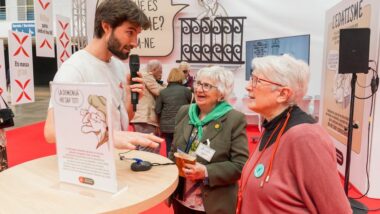
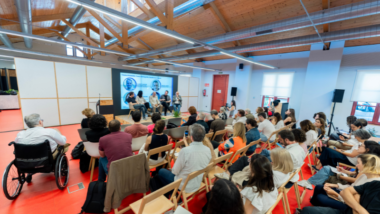
Barcelona is to roll out pilot projects for the six winning projects in the sixth edition of “The Proactive City”, a challenge by the Fundació BIT Habitat to respond to the challenges of demographic change and society’s gradual ageing, worth 400,000 euros. The Fundació BIT Habitat devoted the sixth edition of its annual public subsidy call for innovation, “The Proactive City”, to respond to society’s gradual ageing and to promote a more inclusive and caring city.
The goal is to obtain innovative projects to develop new technologies for the well-being of elderly people, adapt homes to the changing needs resulting from this demographic change and articulate more people-friendly neighbourhoods.
The six winning projects were: a virtual support assistant specialising in Alzheimer’s, a urinal with sensors to detect urinary infections, a living lab network to adapt public space to all ages, an intergenerational programme for flat sharing, a platform to boost the talent of the over-55s and some immersive communities to improve the emotional well-being of elderly people.
The projects will last 12 months, including the period to develop the solution and its implementation as a pilot project in a real city environment. During the following six months the results and general impact will be assessed.
Jointly developed by Barcelona Activa and the Municipal Institute for Social Services, the call is worth 400,000 euros, with between 30,000 and 100,000 euros per project to fund them up to a maximum of 80%.
Barcelona, care city
In 2040, one in four people in Barcelona will be over the age of 65. In this context, the City Council is promoting the government measure ‘Barcelona towards the right to care (2025-2030)’. This measure sets out the strategy and actions needed to tackle the city’s care challenges and has a budget of 140.5 million euros.
According to the latest data, life expectancy in the city is around 84 and over 21% of the population is older than 65. In addition, nearly 30% of elderly people live alone, increasing their risk of isolation and vulnerability.