
Project for the rainwater tank in Rambla Prim updated
The Commission for Ecology, Urban Planning, Mobility and Housing has approved the update to the rainwater tank project for Rambla Prim, which will have a capacity of 94,000 cubic metres and become the second largest of its type in the city. The infrastructure will help prevent flooding and reduce the waste that ends up in the sea during episodes of intense rain. The enlargement of the rainwater tank network, included in the Comprehensive Master Plan for Sanitation in Barcelona, forms part of the Pla Clima to adapt the city to the effects of the climate crisis.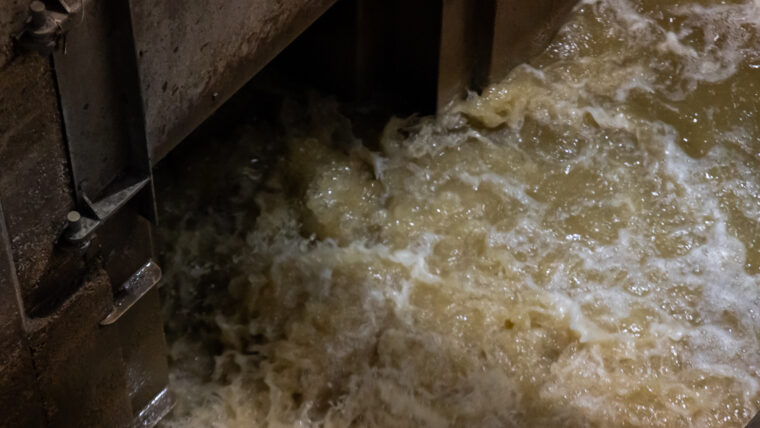
The city currently has fifteen rainwater tanks with an overall capacity of nearly 450,000 cubic metres. In 2024, they came into use on 25 days and retained 5.7 cubic hectometres and 1,400 tonnes of solid waste that did not end up in the sea.
A further thirty will be built in the coming years to strengthen the city’s response capacity to torrential rain and the challenges of the climate crisis.
In this context definitive approval has been given for the rainwater tank project for Rambla Prim, which will be the second largest in the city after the one in Zona Universitària.
A tank to prevent flooding and protect the coast
The future rainwater tank in Rambla Prim will have two basic functions during episodes of torrential rain:
- Regulate peak discharge, preventing the sewerage system from overflowing and avoiding flooding in the lower part of the street and the seafront, as well as the neighbourhoods of La Verneda i la Pau, El Besòs i el Maresme and Poblenou.
- Reduce water and waste being washed into the sea, providing environmental protection at the city’s beaches.
Together with the rainwater retention tank in C/ Taulat, the shortfall in water management infrastructure in this area should be resolved.
The new rainwater tank in Rambla Prim forms part of the major urban transformation of the areas around the future intermodal station in La Sagrera. To water this whole area and the new linear park to be urbanised here, a groundwater storage tank will also be built with a capacity of 1,000 cubic metres, plus two groundwater extraction wells.
The first stage is now under way.
