
Argumenta: Thinking about Barcelona in 2046
The Barcelona Districte Cultural thought series kicks off on 12 November. Now in its seventh year, the Argumenta programme invites visitors to consider what Barcelona might look like in twenty years' time. Over the course of four months, the programme will explore topics such as learning, food, governance, personal relationships, housing, work and how we come into and leave this world.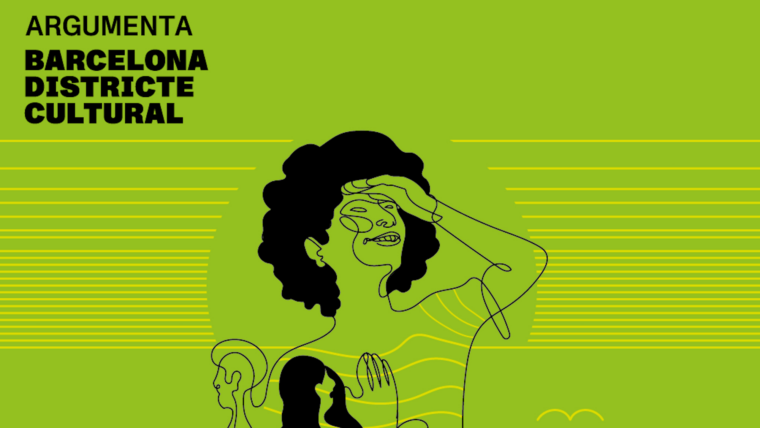
The programme has been jointly developed by the six participating community centres — Centre Cívic Can Felipa (Sant Martí), Centre Cívic Casa Golferichs (L’Eixample), Centre Cívic Casa Orlandai (Sarrià–Sant Gervasi), Centre Cívic El Sortidor (Sants–Montjuïc), Centre Cívic Navas (Sant Andreu) and Centre Cívic Torre Llobeta (Nou Barris) — together with a team of facilitators who will lead the 24 sessions.
This seventh edition of Argumenta features nine talks, each held in two or more centres. This means that the same conversations will take place more than once, although in some cases the speakers will change to better reflect the character of each neighbourhood.
This edition’s featured participants include Carme Arcarazo Sempere, spokesperson for the Sindicat de Llogateres; Ismael Peña-López, professor of political science; Cristina Vallès Orianne, from Associació Dret a Morir Dignament; Jordi Pacheco Canals, a citizen participation specialist and Lluís Pastor Pérez, a communications expert.
The series How We Will Learn explores how to develop a critical perspective in the face of information overload, while How We Will Feed Ourselves considers how to protect this basic right in an increasingly overpopulated world. How We Will Govern Ourselves addresses the loss of sovereignty in the age of globalisation, and How We Will Relate to One Another examines how screens effect our personal relationships. How We Will Work discusses the effects of technological progress on working conditions, while How We Will Stay Healthy reflects on the roles of medicine and lifestyle habits. How and Where We Will Live looks ahead to the cities of the future, How We Will Be Born raises the ethical and scientific challenges of gestation outside the human body and How We Will Die sheds light on the dilemmas and limits surrounding the end of life.
The activities are free to attend, though advance booking is recommended. Some sessions can also be followed live online and will also be available to view again a few days later.
You can take a look at the nine conversations, check the calendar or download the programme in PDF format on the website.
