Over 600 million euros to fight child poverty
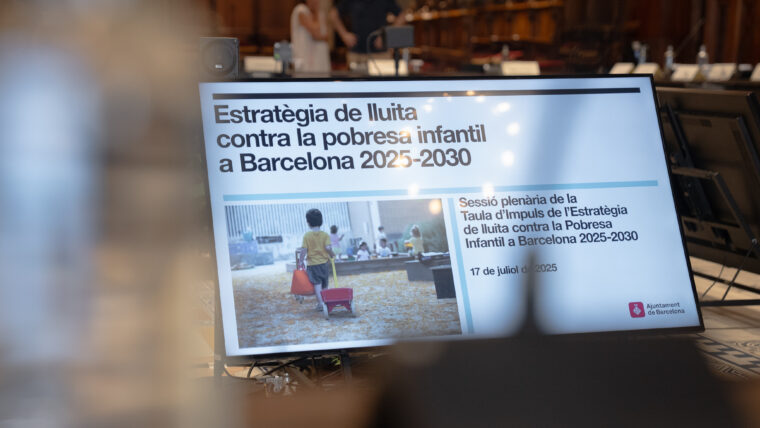
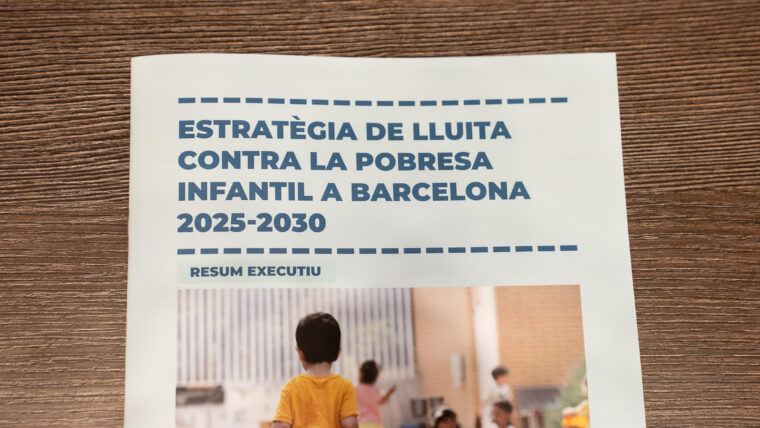
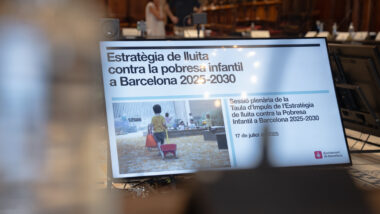
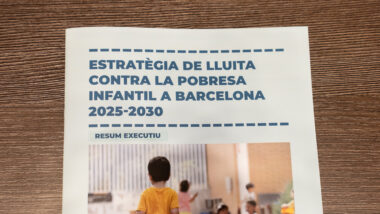
The Barcelona Strategy to Fight Child Poverty 2025-2030 is a roadmap created by the City Council in collaboration with other administrations, third sector organisations and professional associations, with the participation of children themselves.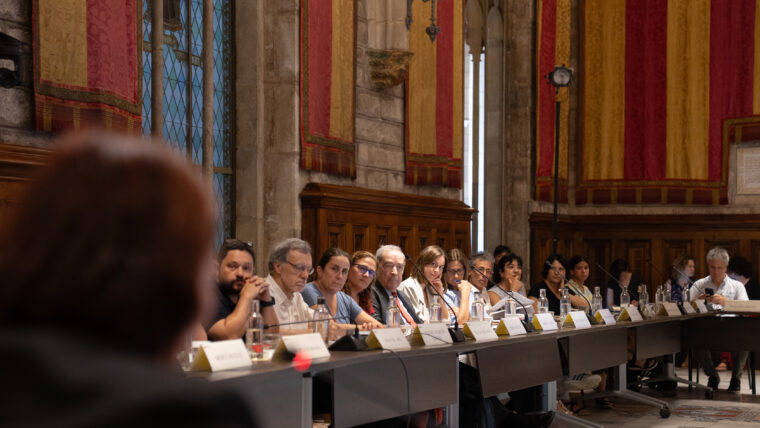
The Barcelona Strategy to Fight Child Poverty 2025-2030 aims to generate a comprehensive cross-cutting city model to help reduce child poverty and break the intergenerational cycle of poverty and social exclusion suffered by children and teenagers. This structural phenomenon is currently still growing, with the AROPE figure, an indicator gauging the percentage of people at risk of poverty or social exclusion, showing a figure of 40.6% among children up to the age of 17 in Barcelona.
The fight is being given priority, hence the roadmap is being earmarked for 607 million euros in funding to work on and implement policies to tackle child poverty. Priority is also being given to coordination with other administrations and addressing the complexity of the issue, with the city aligning with different legal frameworks and other plans such as the European Child Guarantee.
A cross-cutting strategy to have an impact on social protection, recreational leisure, health and housing
The Barcelona Institute for Children and Teenagers has drafted a text analysing the reality of child poverty based on coordinated work at a political, technical and third sector level, establishing five complementary areas of action:
- Area 1. Social protection of children and teenagers
The intention is to improve the urgent social benefit for families responsible for minors and families with children with disabilities. The improvement to the 0-16 Children’s Fund continues to benefit one in ten children and teenagers. Another goal is to promote work-life balance by facilitating time out for families and quality recreation for children.
- Area 2. Education and upbringing in early childhood
The aim is to increase the range of services offered by municipal nursery schools, improving the volume of infants between the ages of 2 and 3 who receive schooling and placing the emphasis on early detection and support for needs, ensuring accessibility to schools and strengthening the community side and support between families.
- Area 3 Education, recreation and community
The goal is to facilitate access to extra-curricular sports and cultural activities and unify campaigns to simplify the procedure for family subsidies, working for the inclusion of children with special education needs. In addition, to avoid segregation and foster equal opportunities in schools. The strategy highlights specific programmes such as the summer holiday campaign by the Department for the Promotion of Childhood, the Baobab summer activity schools in the Neighbourhood Plan and the summer activity programme for teenagers Estiu adoles100!.
- Area 4. Health and food
The aim is to roll out universal and comprehensive services offering support across the board to improve emotional well-being with psycho-emotional support and education for teenagers, young people and their families.
- Area 5. Housing and suitable spaces
Work to include the perspective of children and teenagers in the Barcelona Housing Plan 2026-2033, in the three areas geared towards the right to housing, renovation and improving homes, and also addressing vulnerability.