More sustainable asphalt tested in Passeig de la Vall d’Hebron
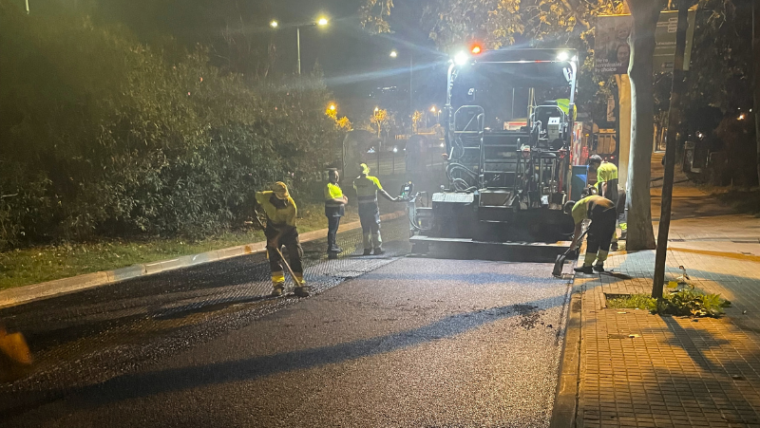
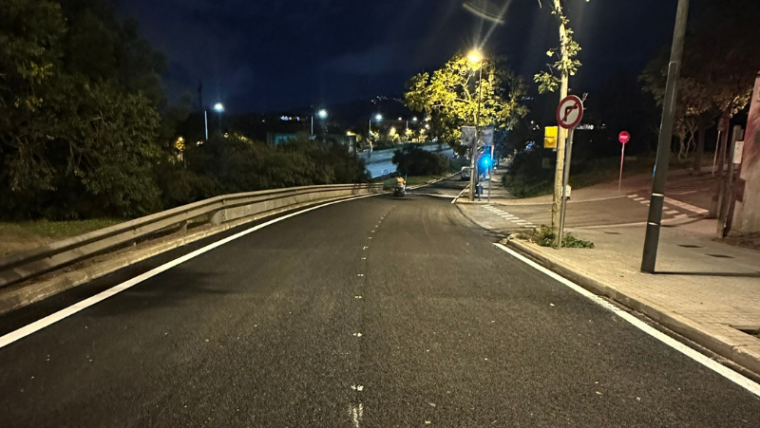
More sustainable and lasting. The new asphalt has been applied in a section in Vall d’Hebron between Pl. Karl Marx and Scala Dei as part of the Pla Endreça, the municipal programme to maintain and improve public space.
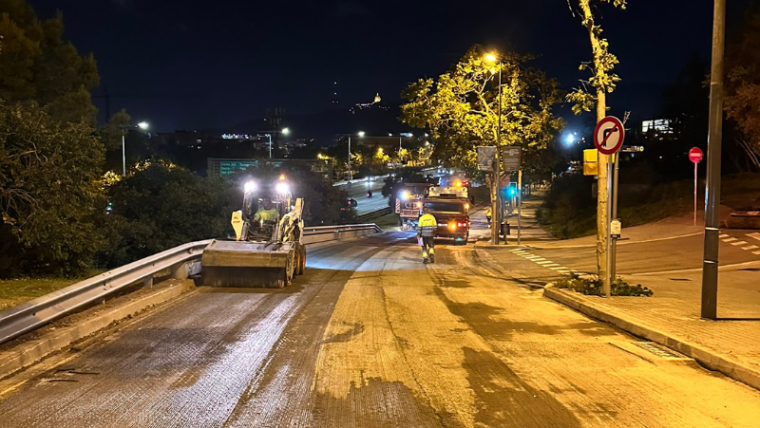
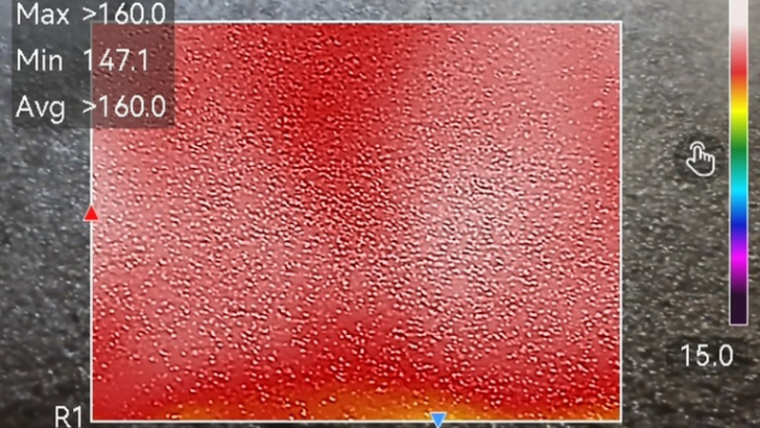
The paving is testing a new type of asphalt that reuses ferrous waste, a material that may represent a step forward in sustainability and efficiency in road surfacing.
Reusing a type of industrial waste
The main innovation for this pilot project lies in replacing one of its usual components, quarried aggregate, with waste from ferrous metallurgy or slag. This by-product is generated in the production of steel in large-scale smelting. It consists of small, edged chunks that were previously disregarded, but which have ow been identified as a valid alternative, more efficient for producing asphalt.
This replacement brings two key advantages. One is that it improves the durability, resistance and adherence of the paving, which may make for less frequent maintenance work. The other is that by reusing industrial waste it avoids the extraction of natural aggregates, reducing the environmental impact and associated emissions. A more hard-wearing surface means it lasts longer, thus cutting the global ecological footprint.
Pilot project for comparing real results
The street section has been divided into two halves: one has been resurfaced with conventional material and the other with the new paving. BIMSA and the Polytechnic University of Catalonia (UPC) will monitor the wear and tear parameters, the adherence and traffic resistance of the surface for a year, comparing the behaviour of both materials in real urban traffic conditions.
Technical future and vision of the future
If the results are positive, consideration may be given to its gradual implementation in other city streets, in line with municipal policies on sustainability and efficiency in the management of public space.