


CategoryOpen data

Universal accessibility refers to the features that allow an environment, good, service or medium to be used by as many people as possible in comfort, safety and equality. Barcelona is...

Repeated exposure to noise is considered a major public health issue due to its effects on people’s health and well-being. Consequently, it is becoming a growing concern. As a physical...
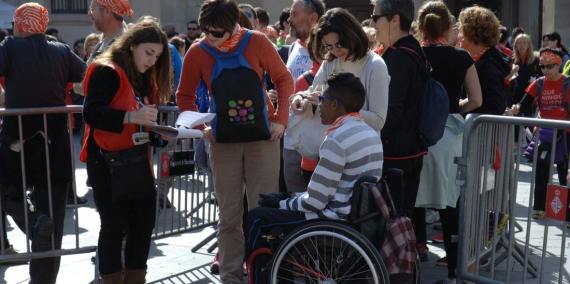
Economic and social inequalities are rising both globally and locally. To address this, Barcelona has seen a number of initiatives aimed at achieving global justice, where individuals,...
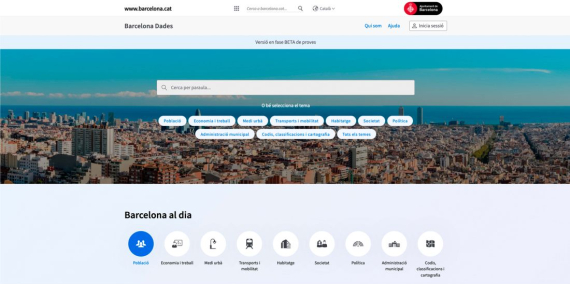
On 12 February, the new Barcelona Datastore portal went live, offering a tool to analyse and understand the city. It was launched against the backdrop of society’s rapid...
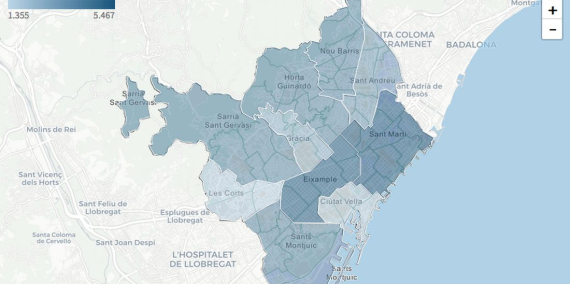
A sea of information
The portal Barcelona Datastore features an enormous amount of records, approaching 20 million, partly inherited from the websites it replaces...

Children aren’t just the future of a city; they are also part of the present, despite their relatively small demographic representation. In Barcelona, children account for...

Barcelona is experiencing growth (1.3% in the last year), driven by immigration (31% of registered residents born abroad, representing 177 nationalities), and its inhabitants are...

The quantity and quality of vegetation is a key factor for achieving a healthy city and combating climate change. Street trees provide shade and help to regulate the temperature...
The newsletter
Subscribe to our newsletter to keep up to date with Barcelona Metròpolis' new developments