Roman quarry from the 2nd or 1st century BC found on Montjuïc
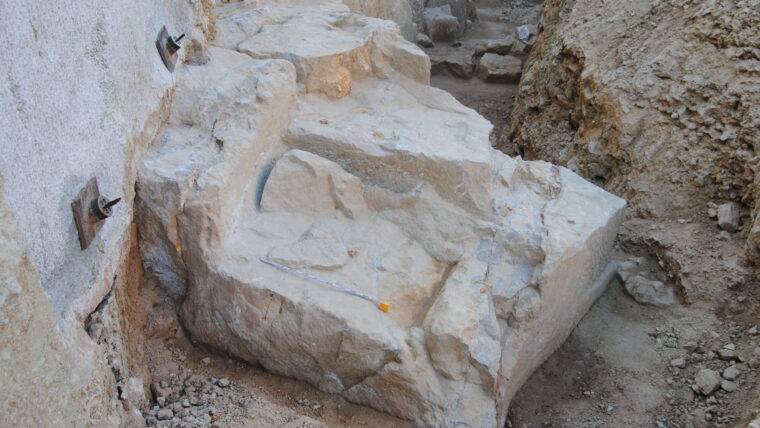
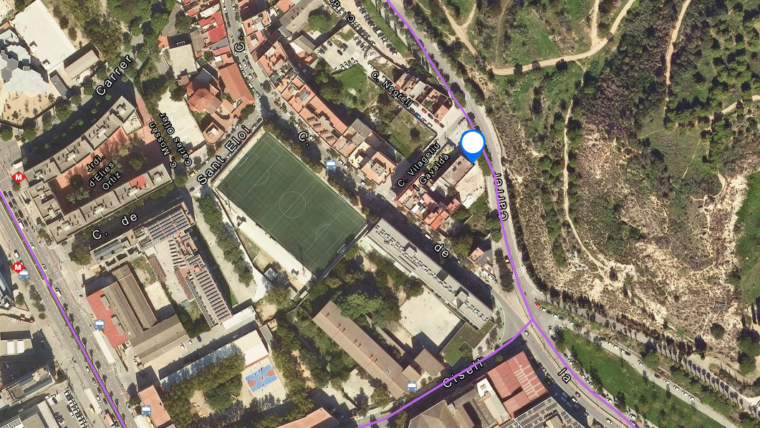
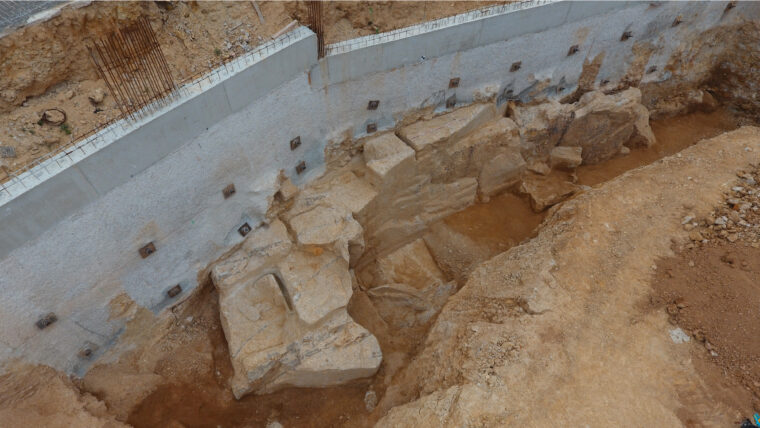
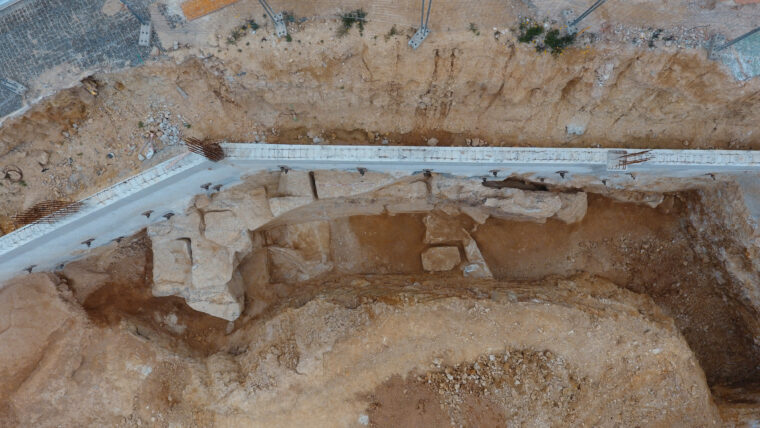
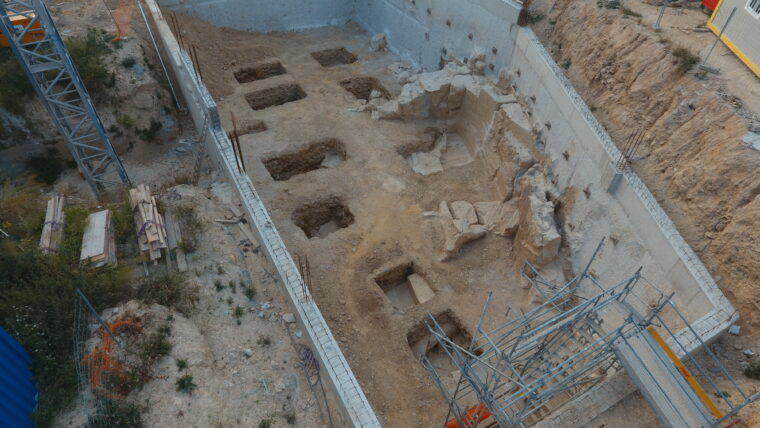
A preventive archaeological dig at the construction site for a building on the corner of the streets of Ferrocarrils Catalans and Vilageliu i Gavaldà, in the neighbourhood of La Marina del Port, has documented a quarry face from one of Europe’s oldest Roman quarries, dated between the second and first century BC.
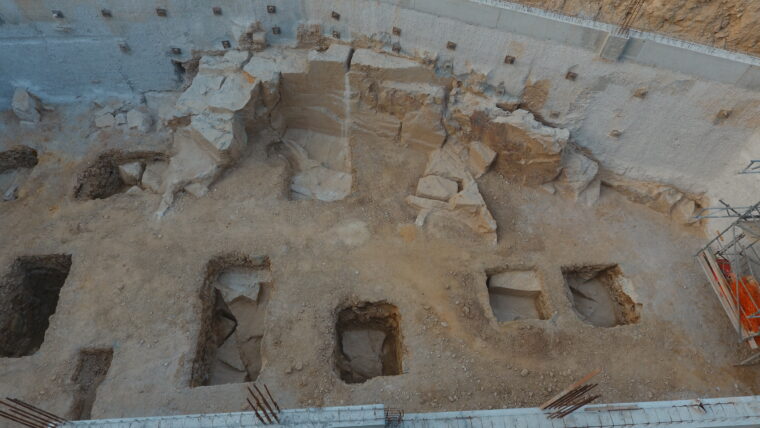
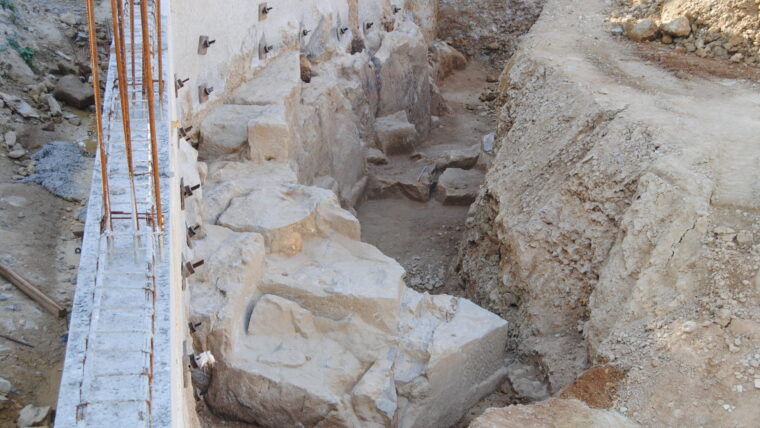
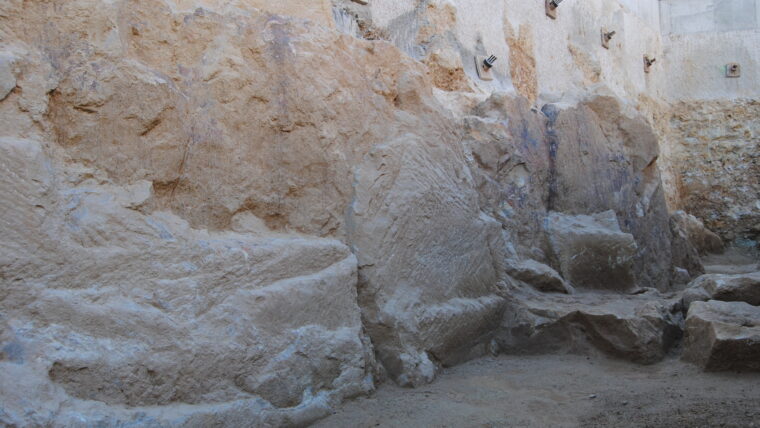
The discovery was made at the property located between C/ Ferrocarrils Catalans, 11-19, and C/ Vilageliu i Gavaldà, 8-22. The work has not suffered any delay because of the archaeological dig. The work began on 31 October 2024 and has enabled a quarry section of white quartz from the Miocene to be identified, measuring up to 30 metres long, 5 metres high and 4.5 metres wide. The open section shows clear signs of Roman extraction techniques, such as marks from picks, chocks and traces of iron encrusted in the rock, which could correspond to quarrying tools or support structures such as work platforms or cranes.
The importance of the find has prompted the conservation of a section 8 metres long and 3 metres high on the second underground floor of the housing block being built. In parallel, photographic work has been conducted to generate a 3D model of the find for teaching and research purposes.
A window on the Roman Barcelona
The quarry is part of a series of sites on the mountain of Montjuïc, dating from the Iberian period and particularly the Roman period, providing the main source of stone for the Barcelona plain and other colonies such as Baetulo (Badalona) and Iluro (Mataró). This new find confirms the continuity of the quarry face already documented in 1990, which at that time revealed a section 50 metres long and 10 metres high.
In addition, a singular stratigraphic sequence has been identified: domestic dumping in the Iberian period (3rd century AD) on waste strata at the Roman quarry (1st century AD), This inversion can be explained by the excavation of Iberian levels during the Roman period at higher levels, which would then have been dumped in the areas already exploited.
Historical and geological context
The property where the find was made is on the south-west side of Montjuïc, a mountain formed by sedimentary rock deposited 15 million years ago. This area has historically been a strategic enclave, with human presence since the Epipalaeolithic period. In the Iberian age, Montjuïc hosted an important commercial nucleus, with grain stores documented very close to the site of the current dig.
The coming months will see studies of ceramic materials and complementary analyses carried out that should confirm the dating and offer more data on the palaeoenvironment and the mining techniques of the time. This thorough work will help include this quarry face as a key piece for understanding the urban development of the Roman Barcelona and reaffirm the need to keep protecting and documenting the city’s archaeological heritage.