
Conservation-restoration process of various pieces due to the transfer of collections
Conservation-restoration process of various pieces due to the transfer of collections
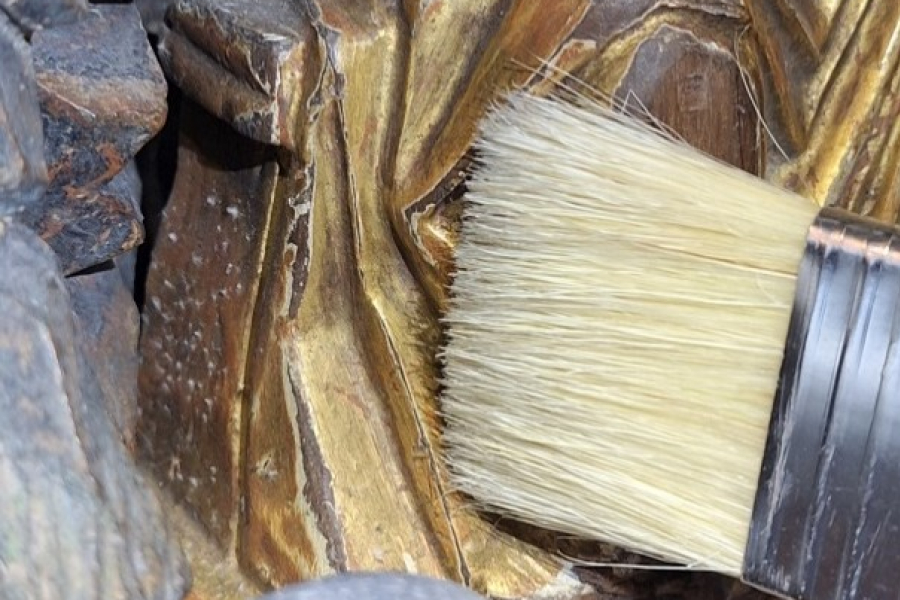
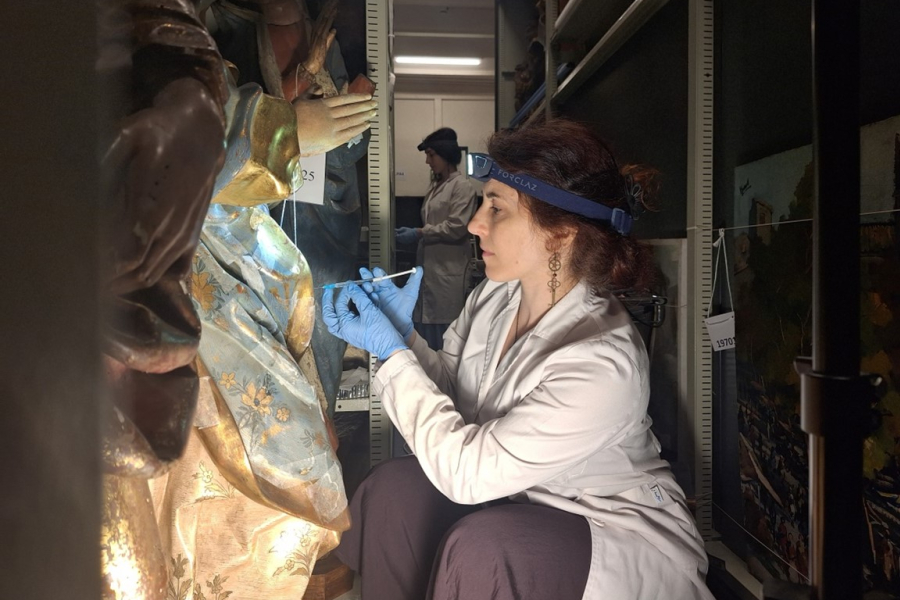
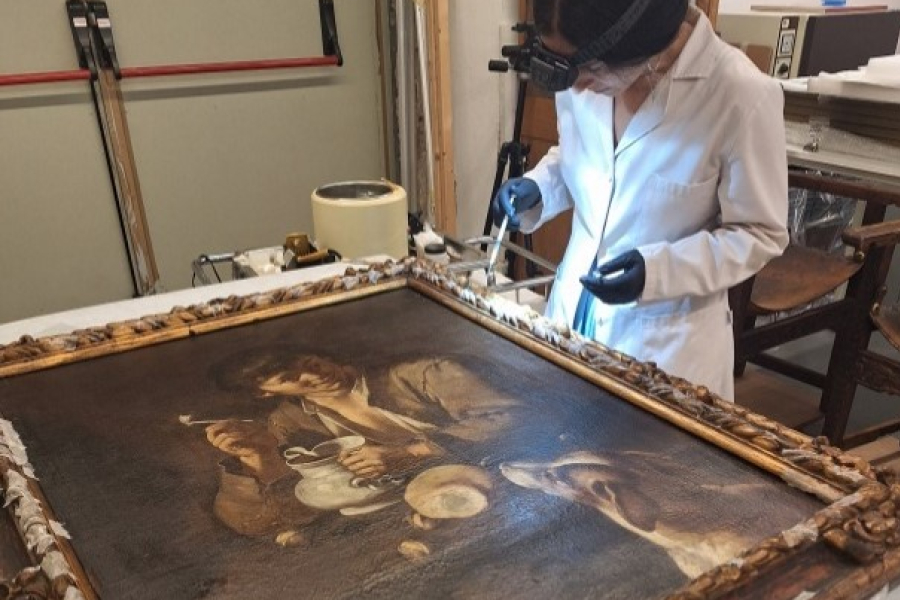
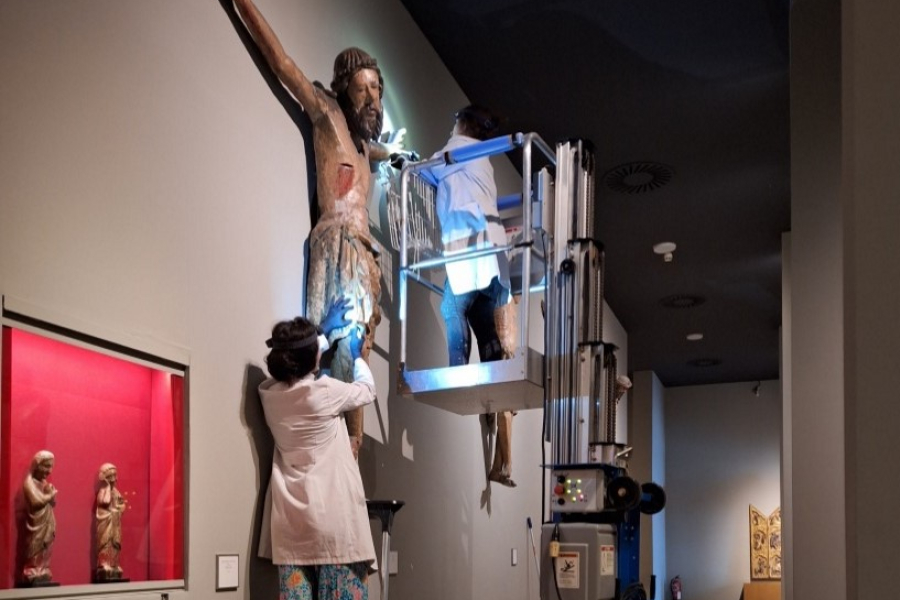
During the months of July, August and September 2025 they have been carried out interventions of preventive conservation, active conservation and signed of a selection of pieces from the Museum's collections located in spaces, both of the permanent exhibition and of the reserves, which will be affected by the next partial architectural reform of the Museum .
This reform has as its main objective the creation, expansion and improvement of internal spaces , which includes the reservation of the collections, the restoration workshop and the offices, as well as the public spaces , among which are the temporary exhibition hall, a new multipurpose room, a multimedia space and a new vertical communication hub, with stairs, elevators and toilets. A new kiosk has also been installed in the Courtyard to provide a cafeteria service at the Museum.
it is for this reason that some pieces of the collection have to be moved to external warehouses and, in order to guarantee optimal handling conditions, conservation-restoration interventions have been carried out, prior to this transfer.
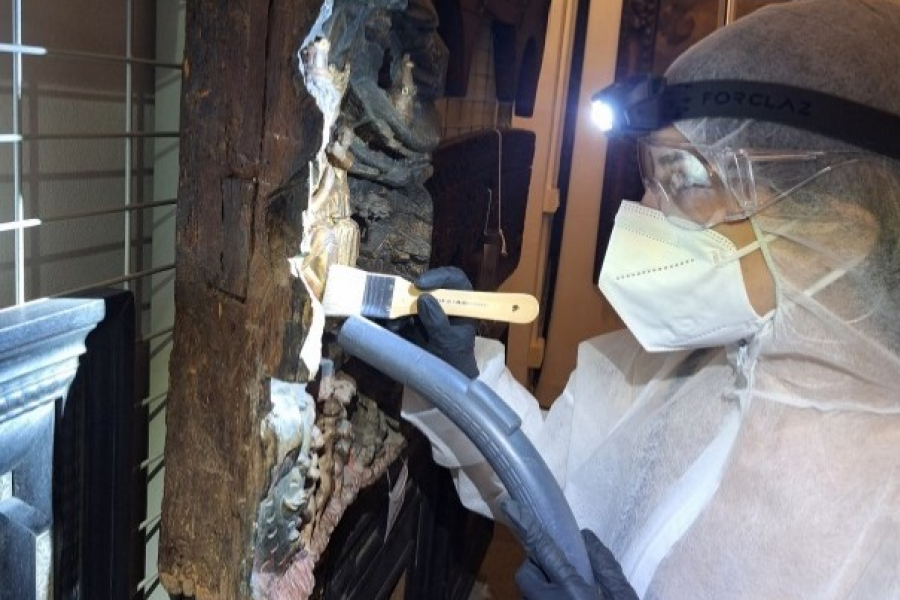
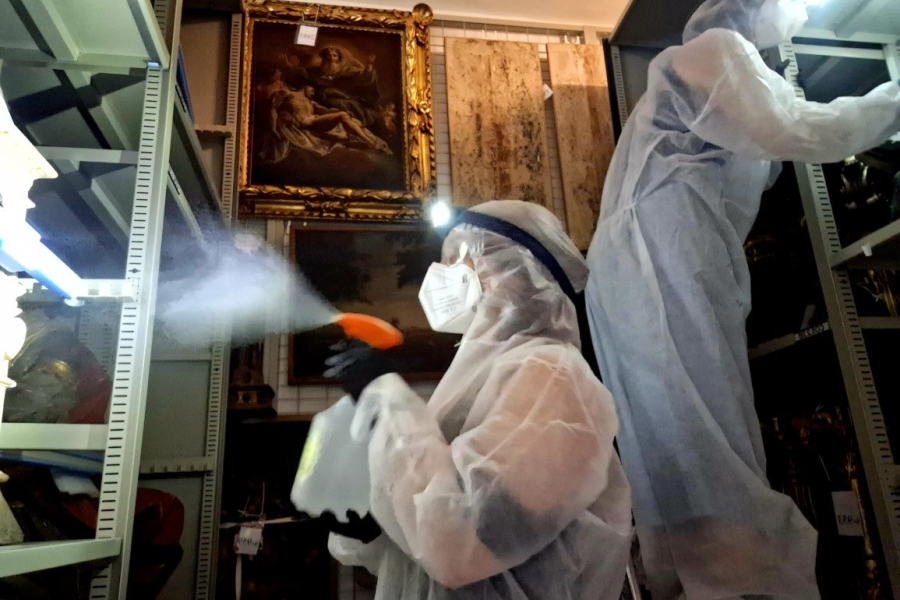
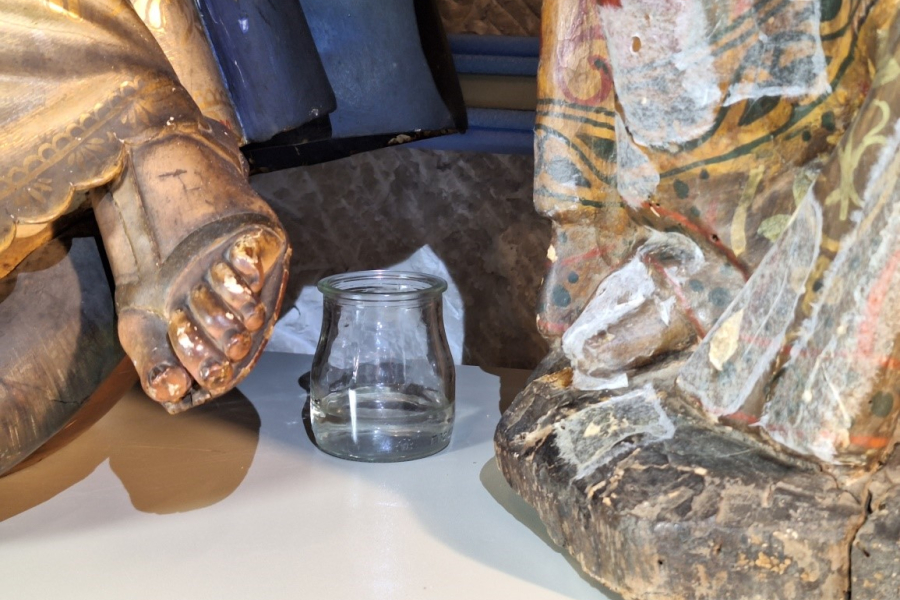
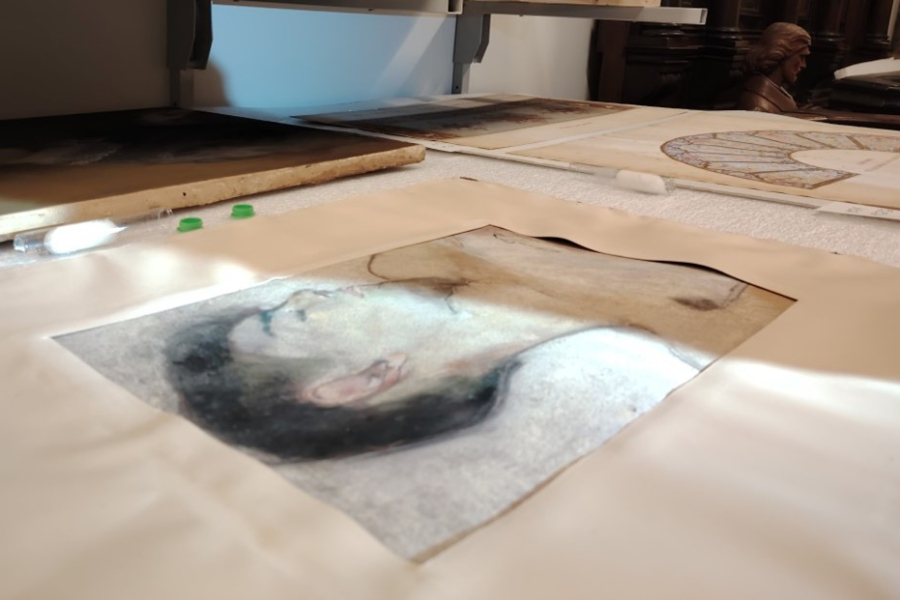
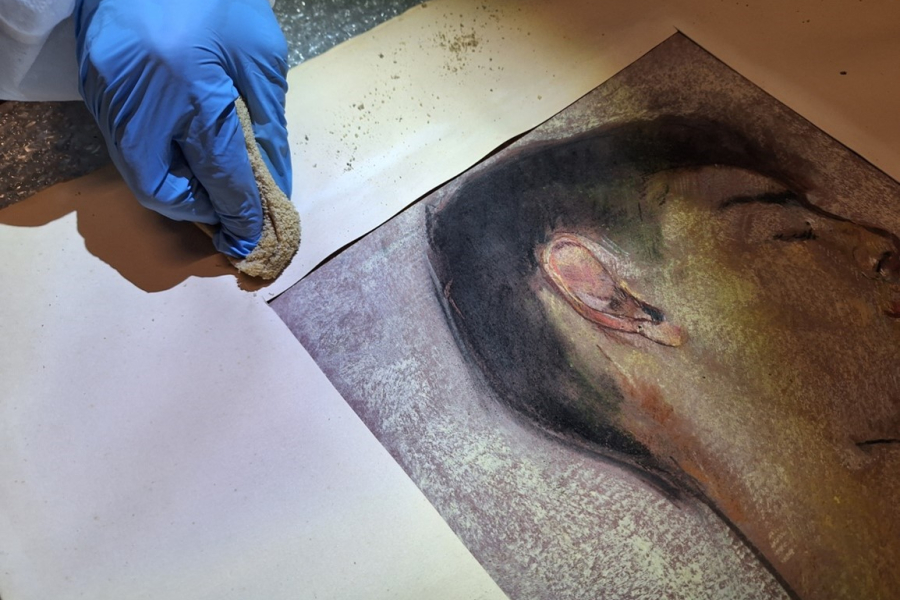
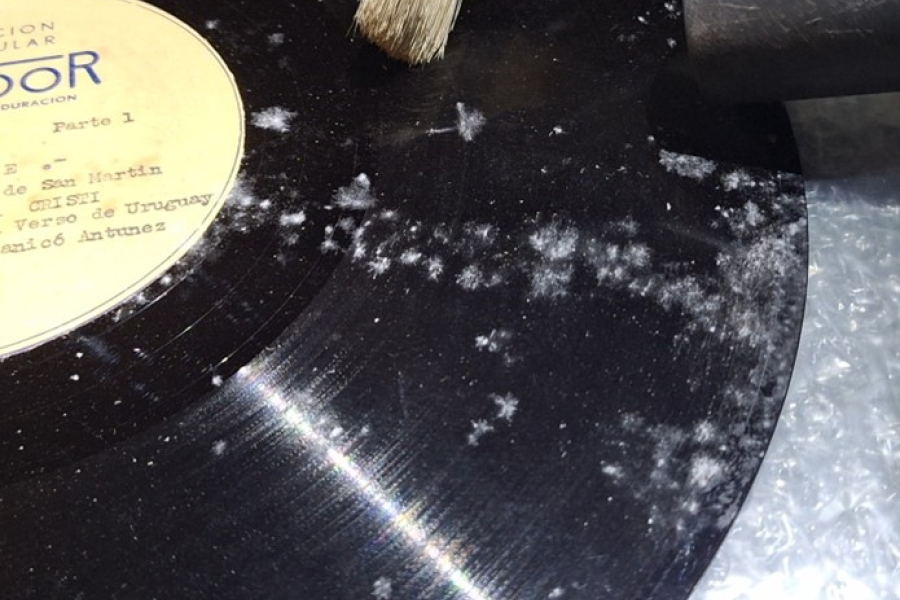
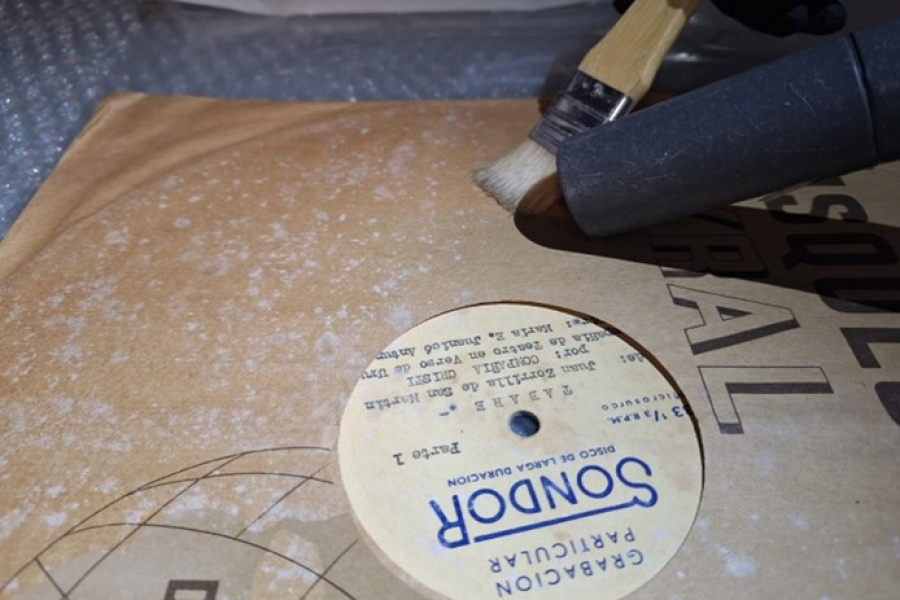
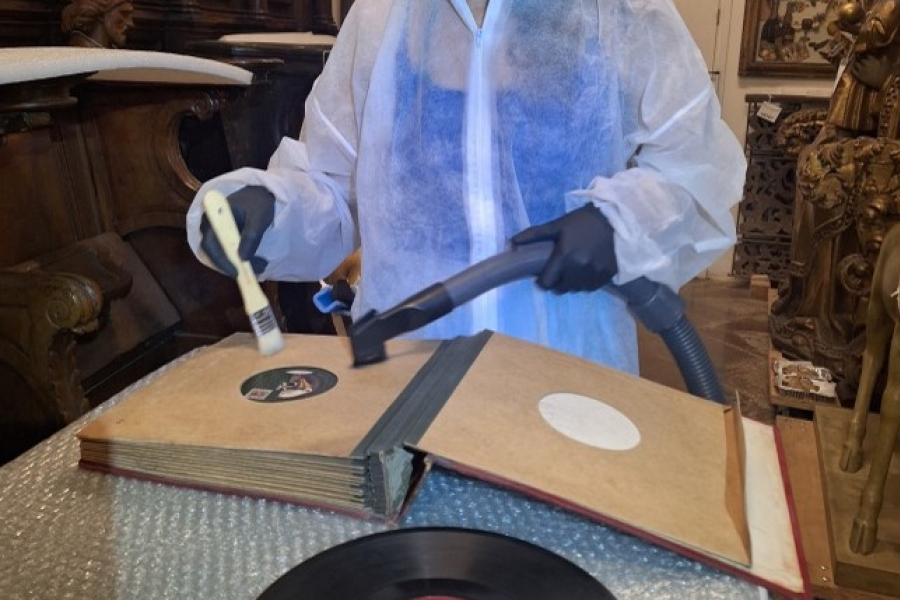
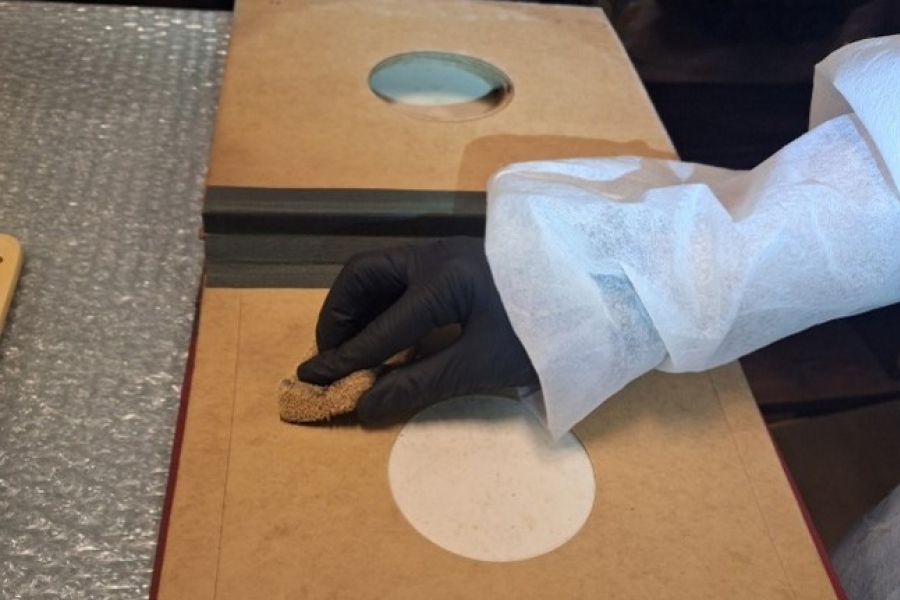
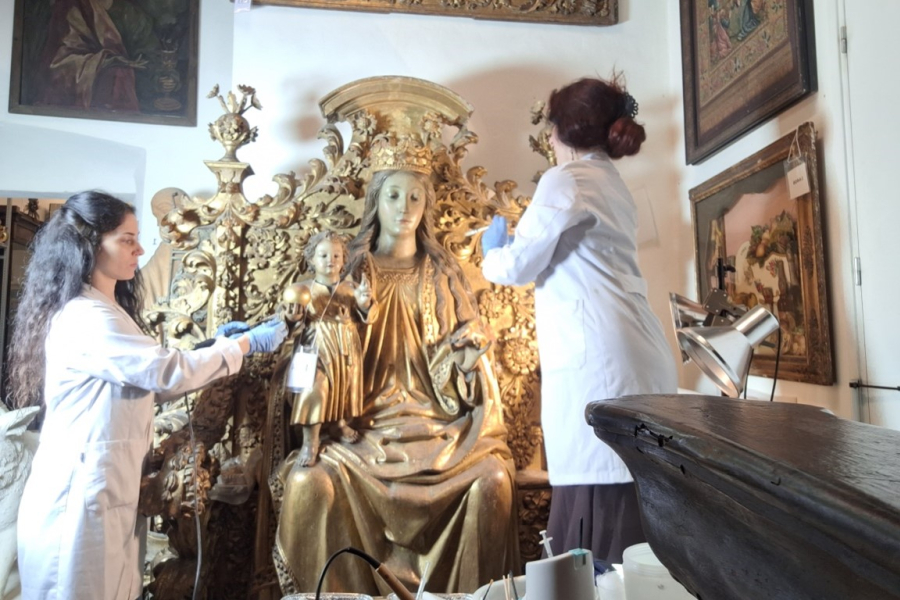
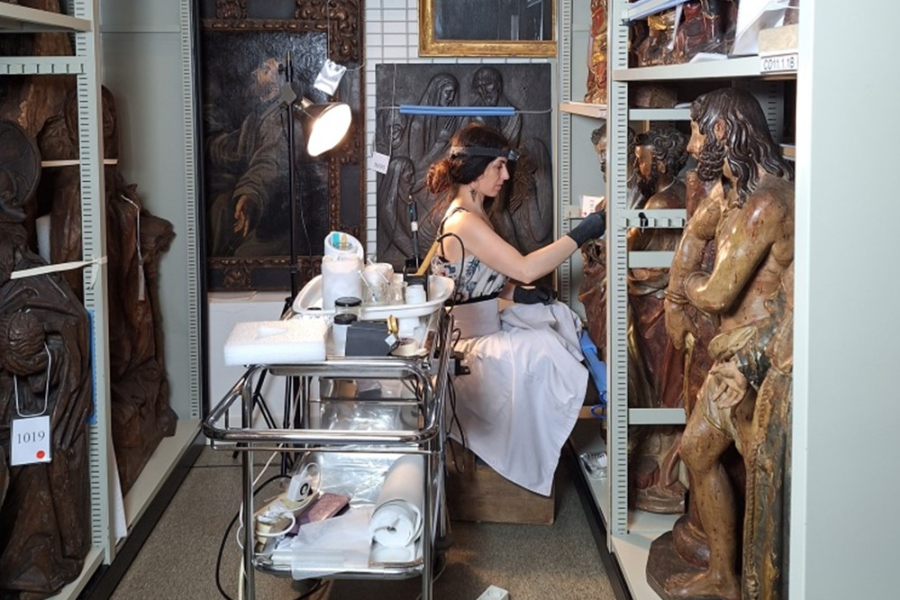
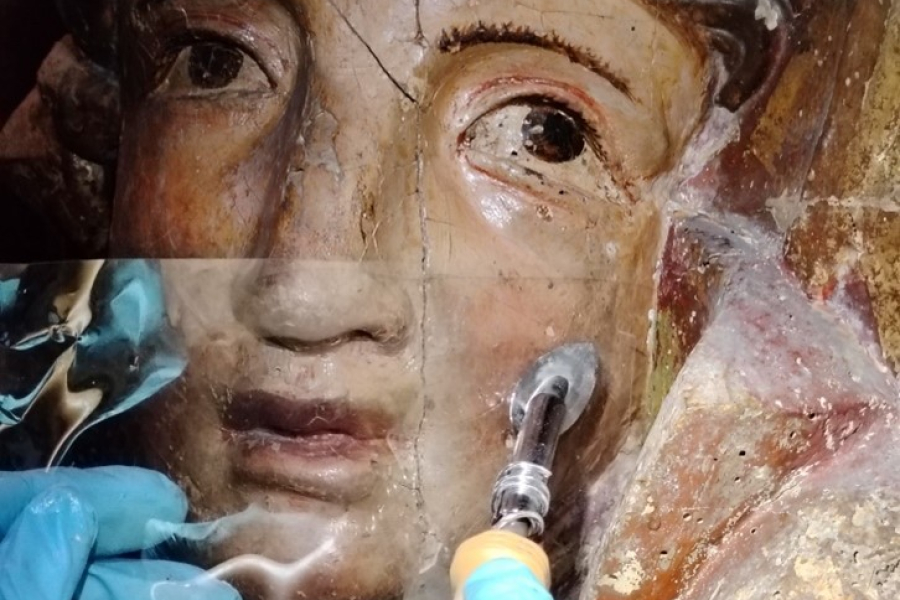
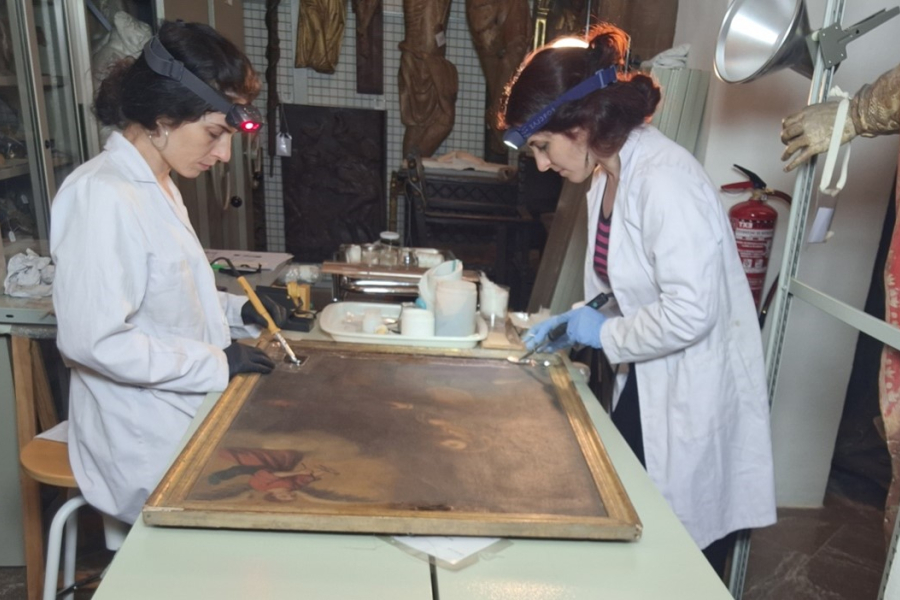
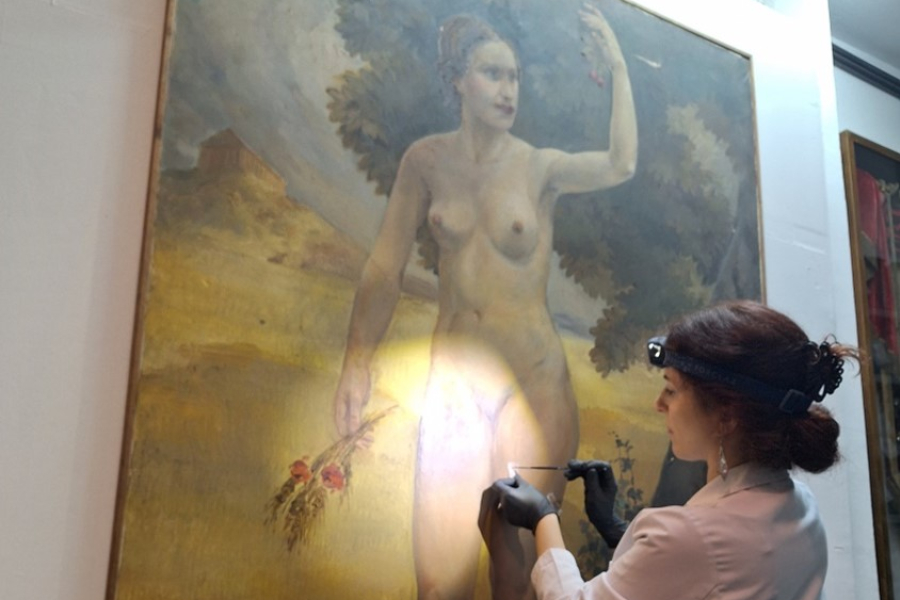
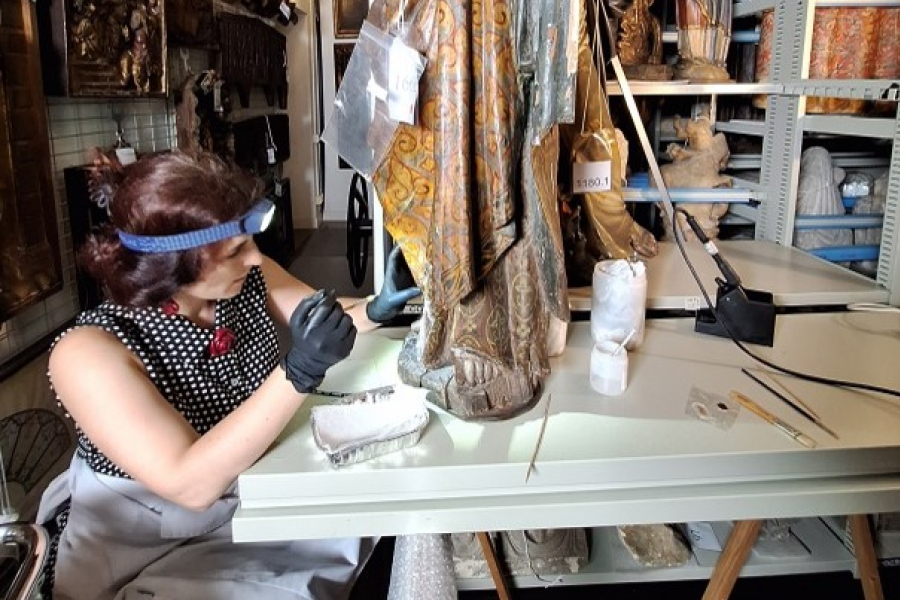
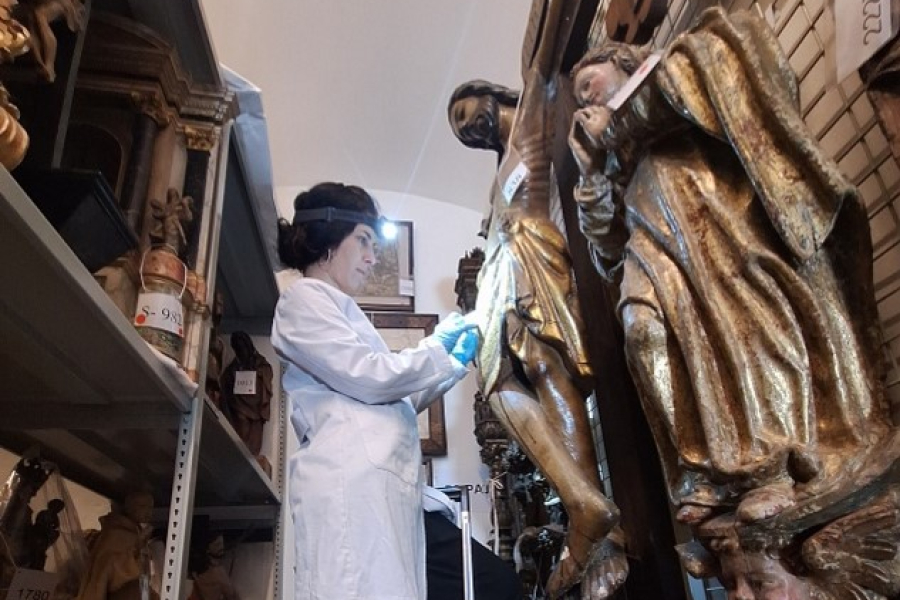
These preventive and active conservation interventions include consolidation of the support of nine pieces with acrylic resin or neutral pH glue, fixation of polychromy and/or gilding of 121 pieces with animal glue, cleaning of fungi detected in 59 pieces of various types (fabrics, polychrome sculpture, furniture, stone, wooden supports and works on paper).
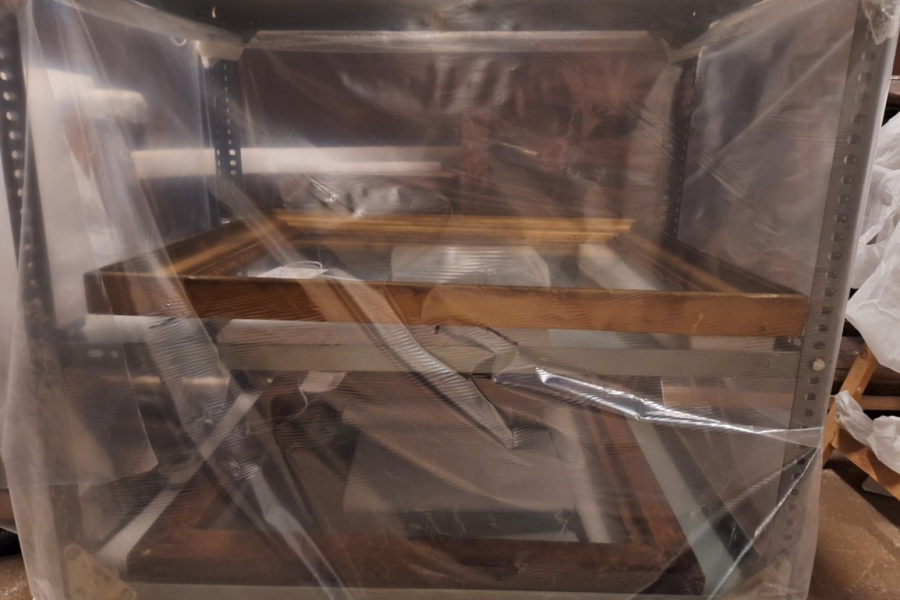
It is carried out through different means, according to materials and techniques: trowel and vacuum cleaner, 70% alcohol spray, cleaning with microfiber cloths for parts with delicate surfaces in front of alcohol, among others. For the work on paper, the use of a chamber with 70% alcohol vapors and other natural fungicidal products is valued.
The cleaning of surface dust, the spot fixing of elements in danger of detachment, and the construction of preventive conservation supports for long-term storage of 12 pieces have been carried out. As well as the initials of 34 different types of pieces.