
history
history
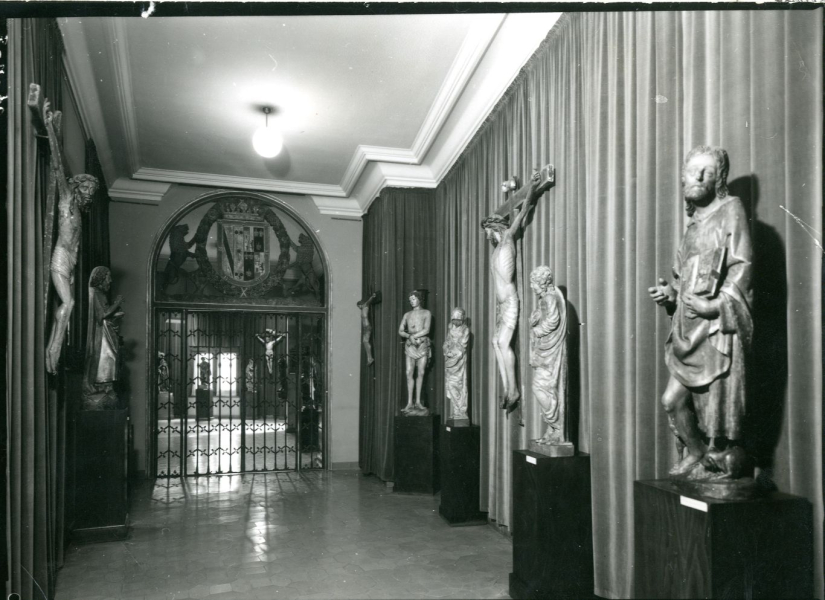
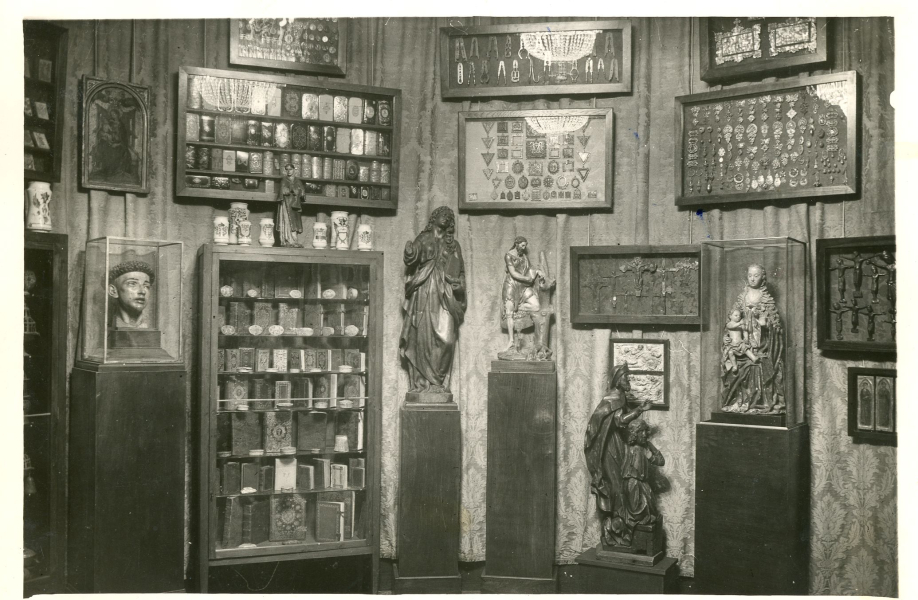
The origins of the Frederic Marès Museum go back to 1946. Two years earlier, in 1944, the first public presentation of the Frederic Marès collection had taken place, at the headquarters of the current Historical Archive of the City, in the heart of Roman and Gothic Barcelona: medieval and baroque sculpture, clocks, reliquaries, incunabula books and a whole series of objects that he kept in his studio on Carrer de Mallorca. At the time, he already announced his desire to offer the collection to the city of Barcelona. At that time, Frederic Marès was fifty-one years old. We note this because he died at almost ninety-nine, which allowed him to grow his collections remarkably. Only two years later, in 1948, what we can consider as the first room of the Museum was opened, installed on the first floor of a building in Carrer dels Comtes.
In the Middle Ages, in this building, together with others nearby, there had been some dependencies of the Royal Palace of the Counts of Barcelona. In the 1940s, the City Council decided to install the Museum there in order to integrate it into what was then called the Gothic Quarter, the medieval core of the city, located around the cathedral, which from 1929 - the year of the International Exhibition - began to recover as the city's historic center.
From the moment when the Museum could no longer be enlarged due to lack of space, Marès started a policy that we could call "decentralizing". It donates to other museums or creates new ones. Among the donations, it is necessary to consider those made to the Museu de l'Empordà in Figueres, the Museum of History in Sabadell and the Museo de la Real Academia de Bellas Artes de San Fernando in Madrid. And, with regard to the creation of new museum centres, mention should be made of the Frederic Marès Museum in Montblanc, the Arenys de Mar Museum and the Frederic Marès Book Museum, at the Biblioteca de Catalunya in Barcelona.
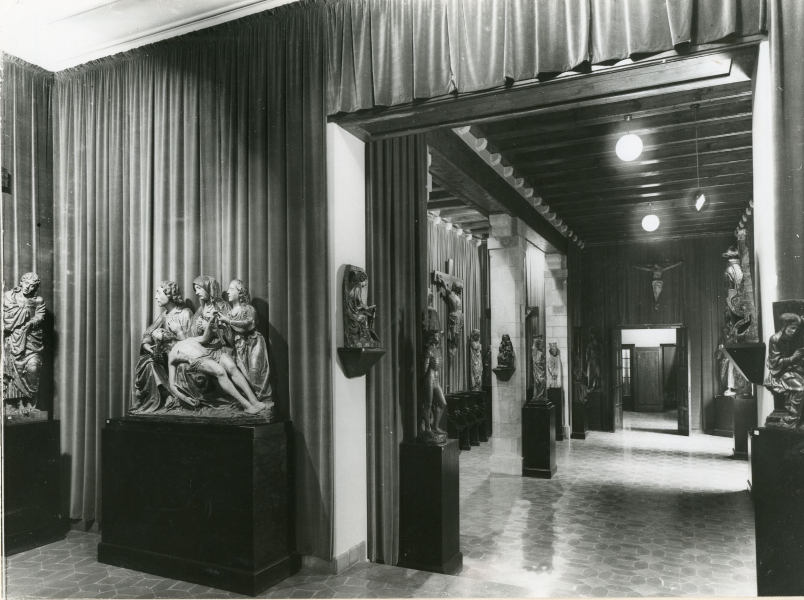
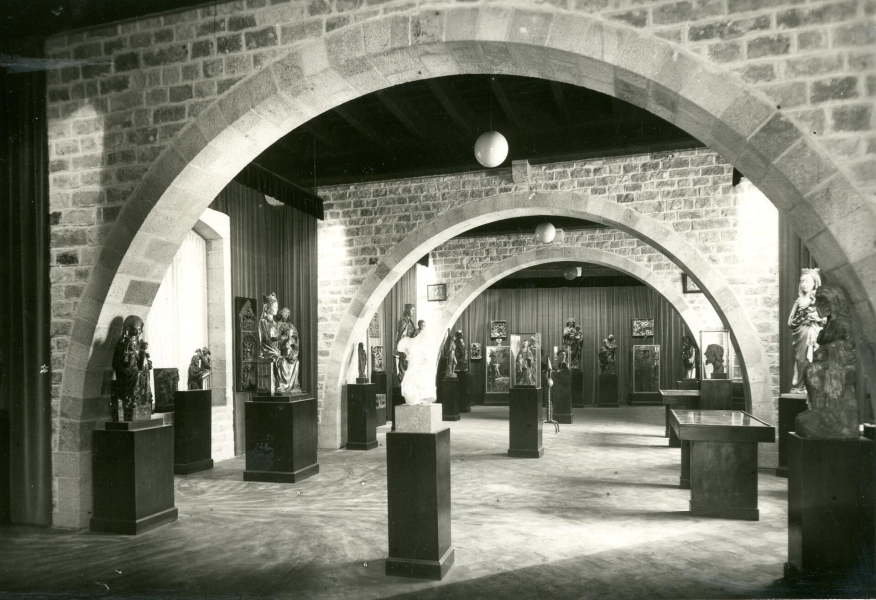
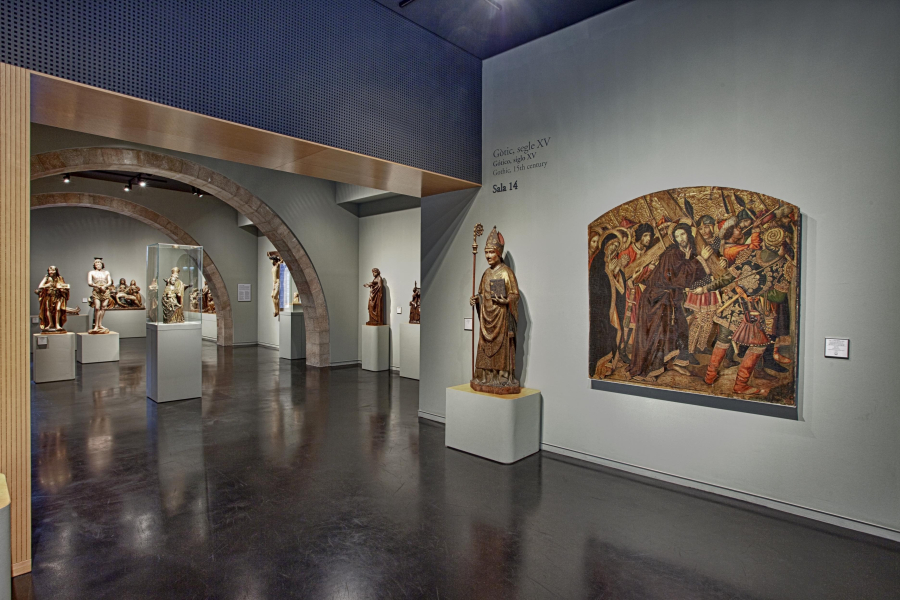
In 1997, the Museum itself drew up a museographic project to adapt it to the needs of the 21st century. The works of the first phase of remodeling, which affected the ground floor dedicated to sculpture and led to the opening of a temporary exhibition hall that did not exist until then, were inaugurated in April 1999. During the second phase, completed in 2001, the stone sculpture room located on the basement floor was remodeled.
In the third phase of this museographic project completed in 2011, the first floor was remodeled while completing the presentation of the sculpture collections and the main architectural elements connecting the different floors of the Museum.