
mercy
mercy

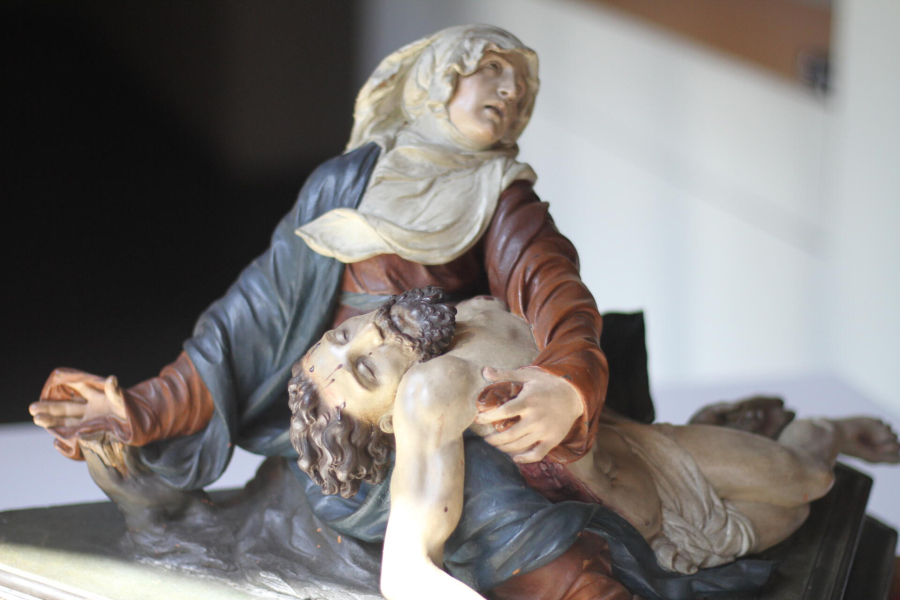
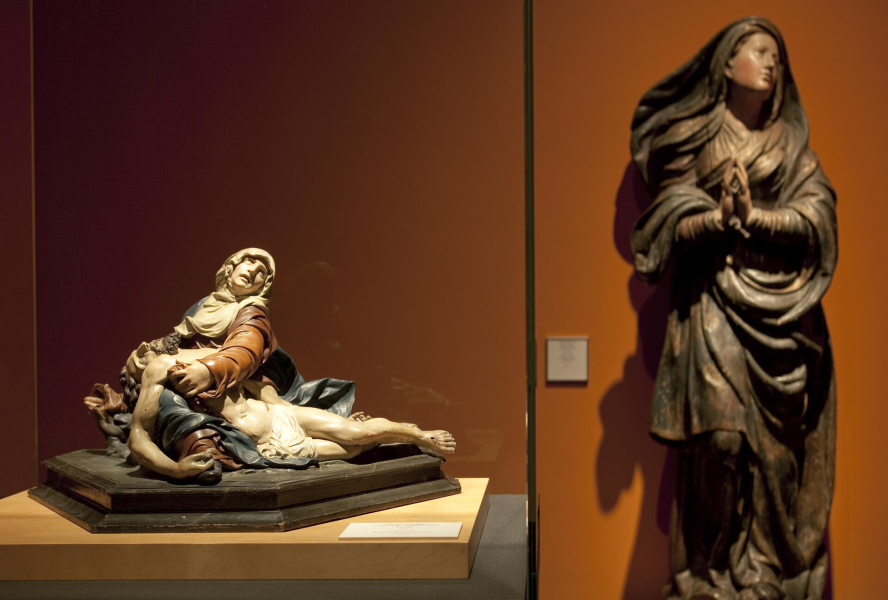
One of the most representative pieces in the museum is this Pietà, made around 1537 and attributed to the sculptor Juan de Juni. It is the only work by the artist that is preserved in a Catalan museum. Made of terracotta, it captures the moment when the Virgin holds the body of her dead son in her arms. The wooden cross, like the base, which completed the representation, has been lost.
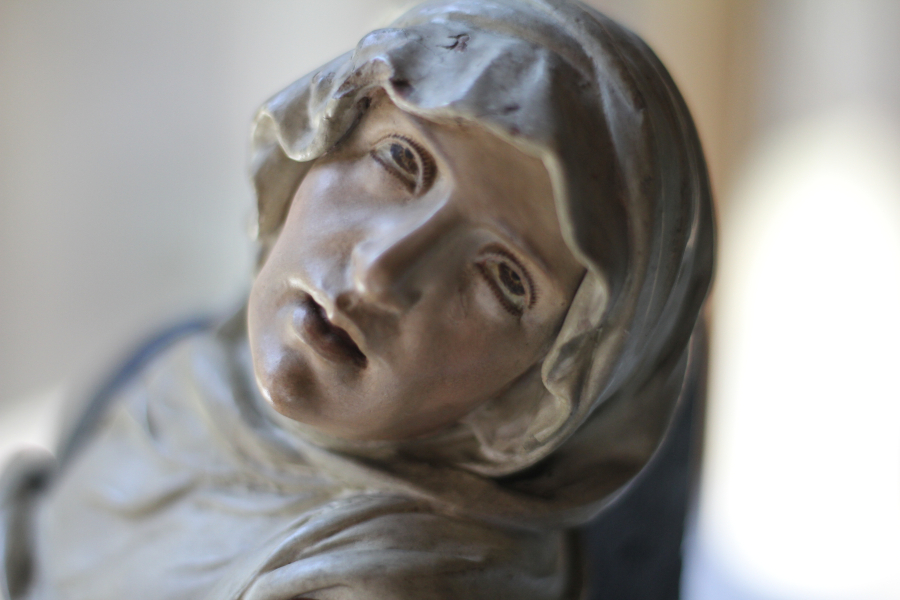
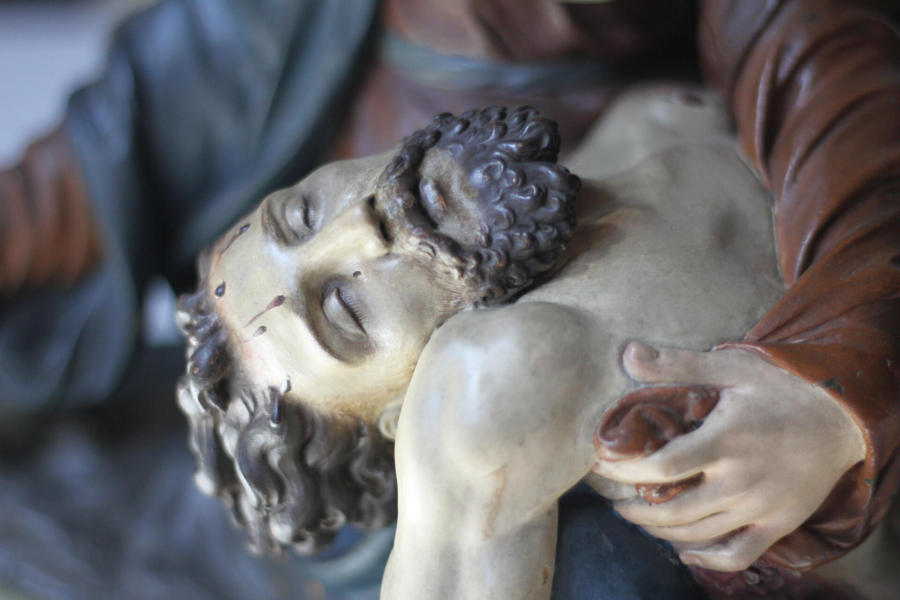
it is a very dynamic composition in which forces are fired in all directions. The sinuousness of the figure demonstrates the artist's skill and knowledge of the Mannerist theory of contemplation from multiple points of view. The Virgin - with a gesture of imploration - is sitting on the ground and makes an arched movement; he moves his leg forward while his right arm is stretched back. Christ's body fits heavily on Mary's lap. His arms and legs fall limp and his head hangs back in a pathetic gesture. Mother and son convey a great tragic feeling in their faces. Its small size suggests that it was intended for a small oratory.
Juan de Juni was born in France, probably in Joigny, hence his Spanishized name, and was educated in Italy, where he learned about classical sculpture and the work of the great artists of the early Renaissance. It was also there where he learned to work with clay, a ductile material that allowed him to model his figures with great naturalism. He developed much of his activity between León and Valladolid, and is considered one of the key figures of the Hispanic Renaissance.