
Polyptych of the life of Santa Clara
Polyptych of the life of Santa Clara

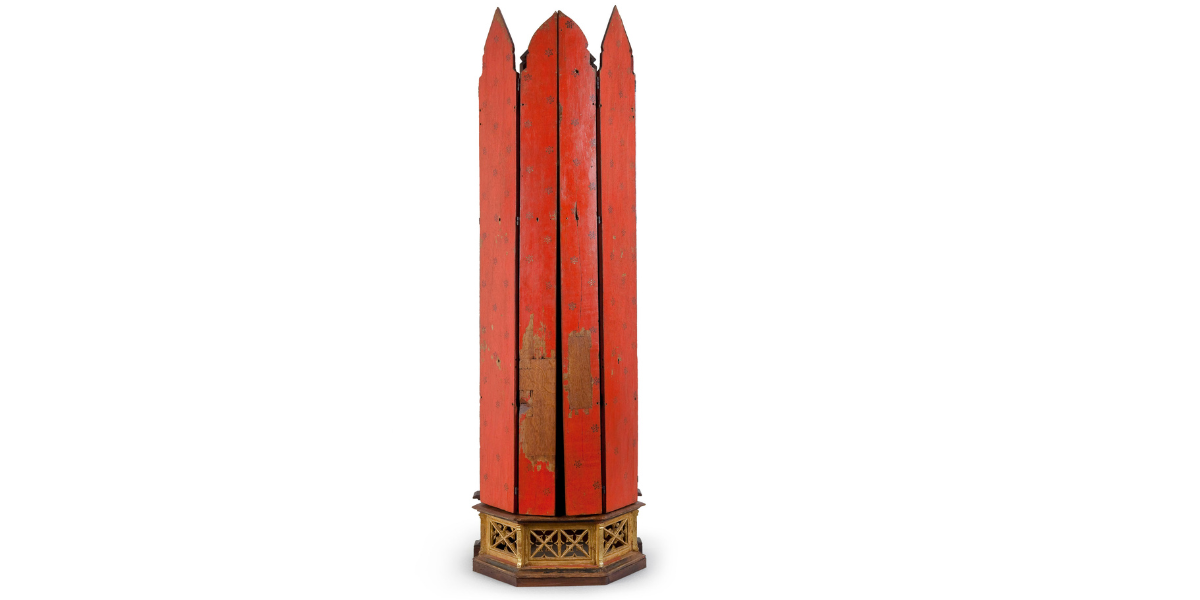
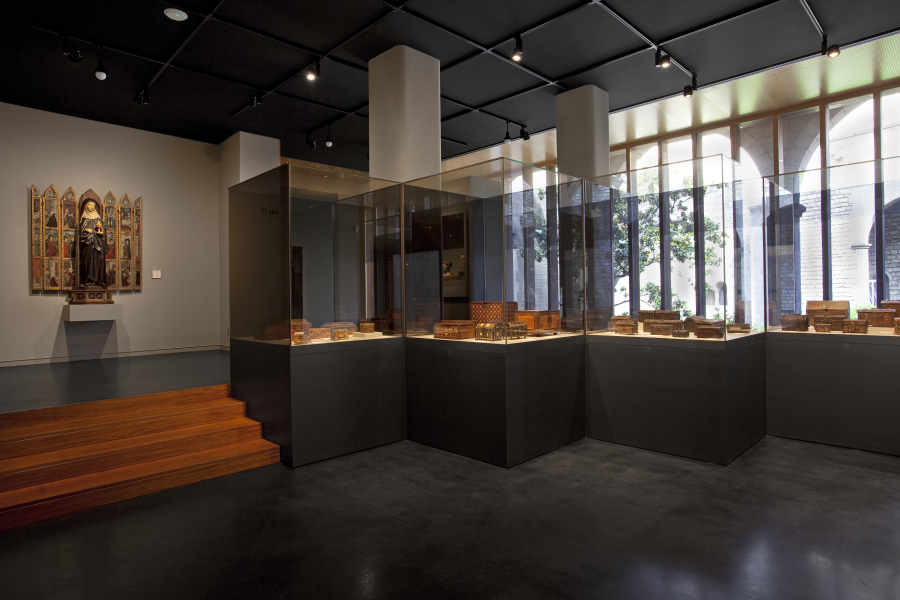
This is one of the most outstanding pieces of late European Gothic preserved in the Museum. It is a work, a combination of painting and sculpture, in which the image of Santa Clara stands out, wearing the Franciscan habit, who was probably sheltered under a tabernacle of which the painted boards that closed it remain.
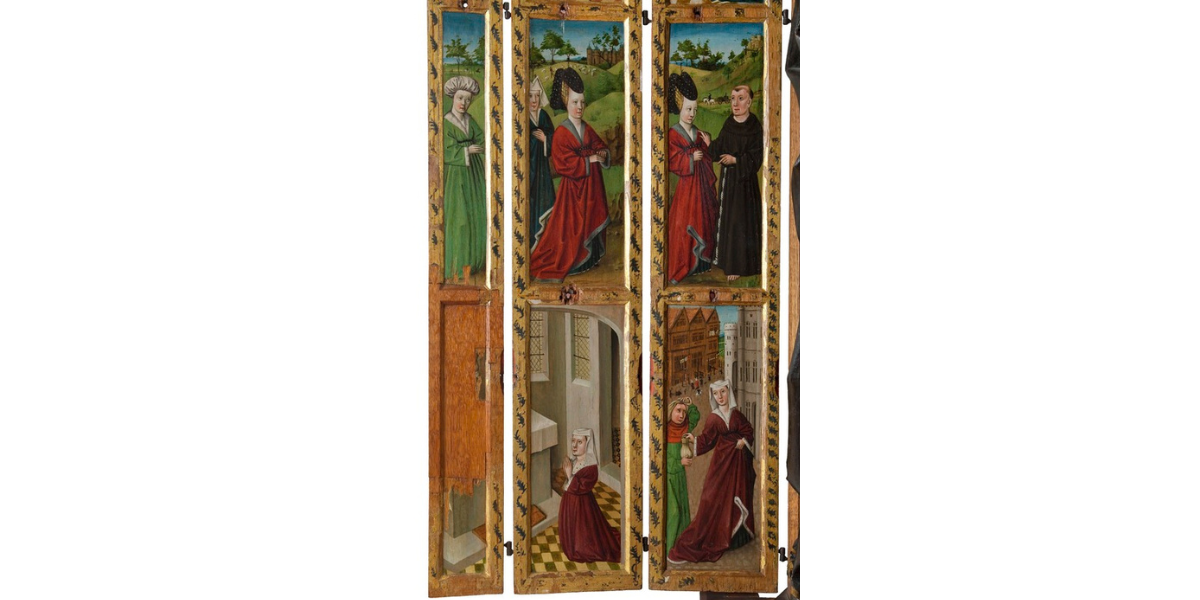
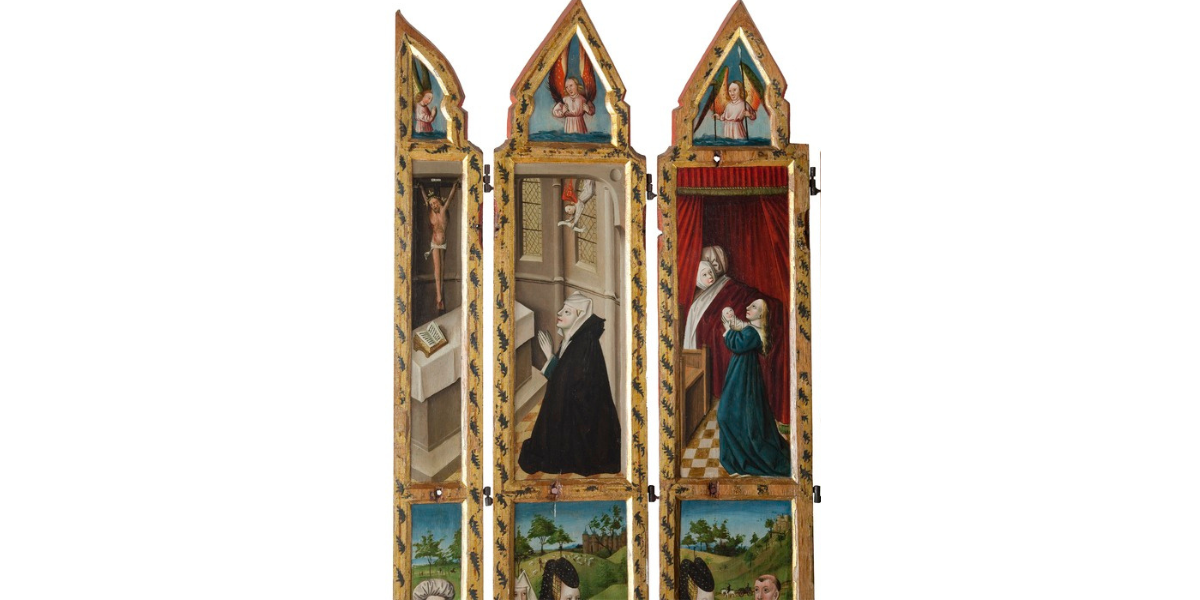
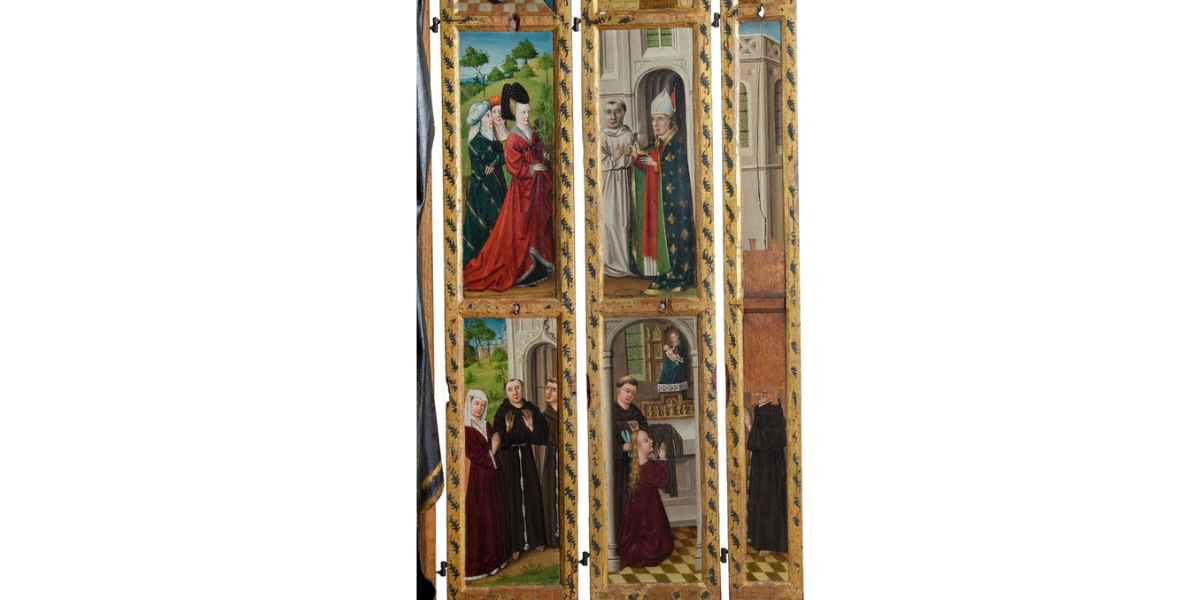
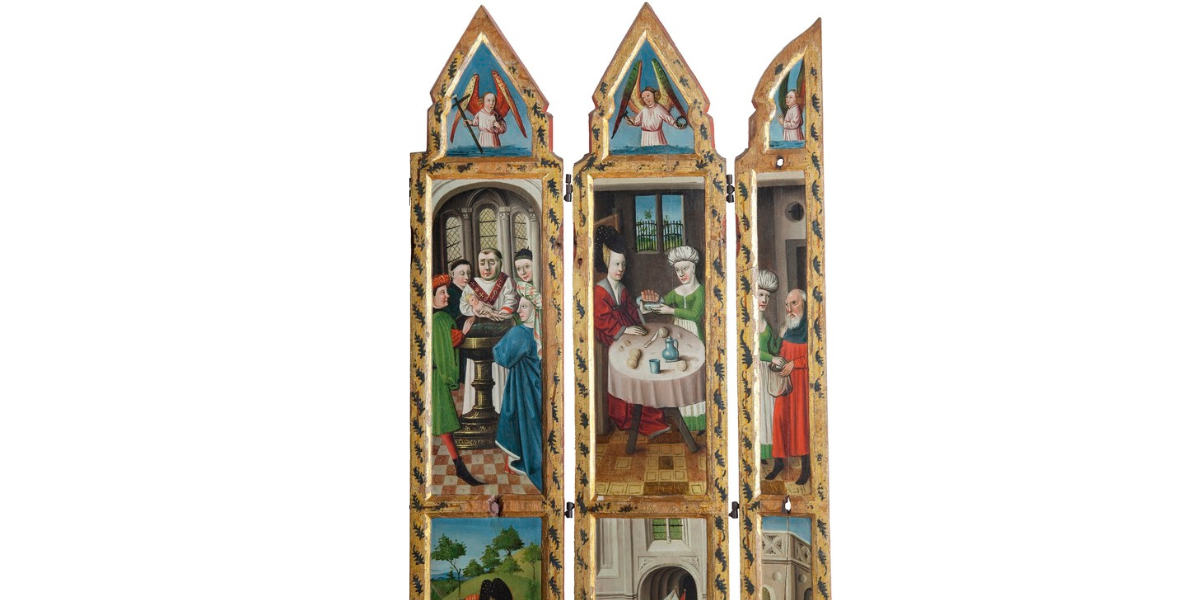
In the inner part of the wings, the life of the saint is recounted in the period before her entry into the convent. From left to right and from top to bottom we see: Hortolana - the mother -, pregnant and praying in front of a crucifix, at which point an angel who descends announces to her that an extraordinary light will be born from her; the baptism of the saint, in which she was given the name Clara; fasting from the meals typical of his status as an aristocrat; meals that he distributes to the poor through his assistant; the encounter with St. Francis of Assisi, and Clare collecting an olive branch for Palm Sunday from the bishop's own hand. The scenes in the lower part show the saint in prayer, giving money to the poor, and being received by Saint Francis in the convent where he cuts her hair.
This polyptych comes from the monastery of the Poor Clares of Calabazanos, which hosted many women of high lineage from Palencia. The saint established in her community the privilege of poverty, which consisted of living without possessions or income while following in the footsteps of Christ. Perhaps this is why the luxurious life that Santa Clara gave up to become a nun is so emphasized.
The image was perhaps made in one of the workshops in the Brabant area around 1500. It is of a high artistic level, a quality that we do not find in the painted tables that accompany it.