
Portrait of Emperor Augustus
Portrait of Emperor Augustus

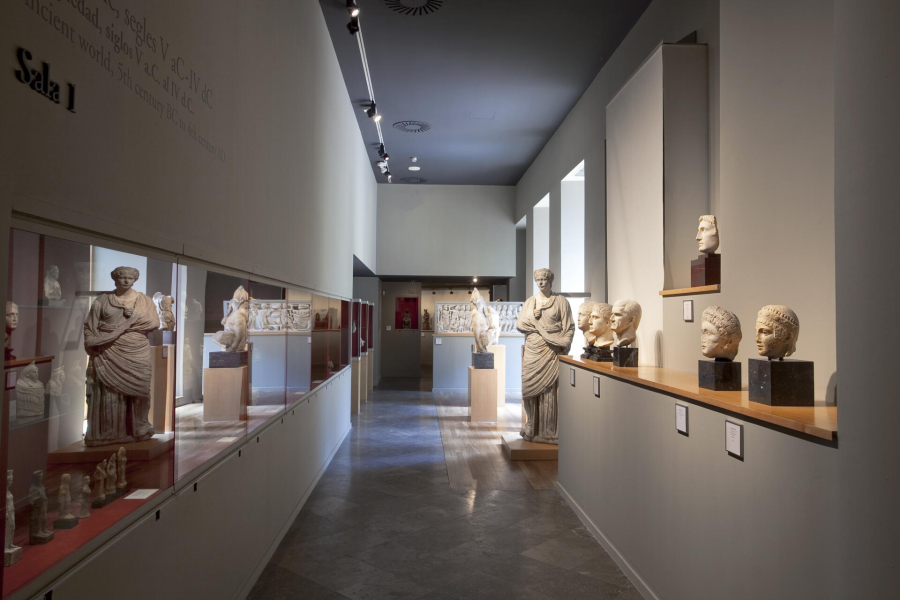
The first room of the sculpture exhibition is dedicated to the ancient world. Iberian votives, terracottas, bronzes and Punic, Hellenistic and Roman lamps are on display, as well as several sculptures and portraits such as that of Octavius Caesar Augustus.
Octavius was the nephew and adopted son of Julius Caesar and was appointed first emperor by the Senate in 44 BC. His work as a statesman was remarkable and his long rule meant great progress for the Empire, since he managed to end the civil wars and pacify the vast territory that Rome dominated, reformed the army, founded new cities, created new infrastructures and communication routes, and formed a strong and powerful legal system. After his death he was elevated to the category of "divi" or divine, and it is for this reason that numerous temples were erected dedicated to his figure as well as portraits that followed certain official models.
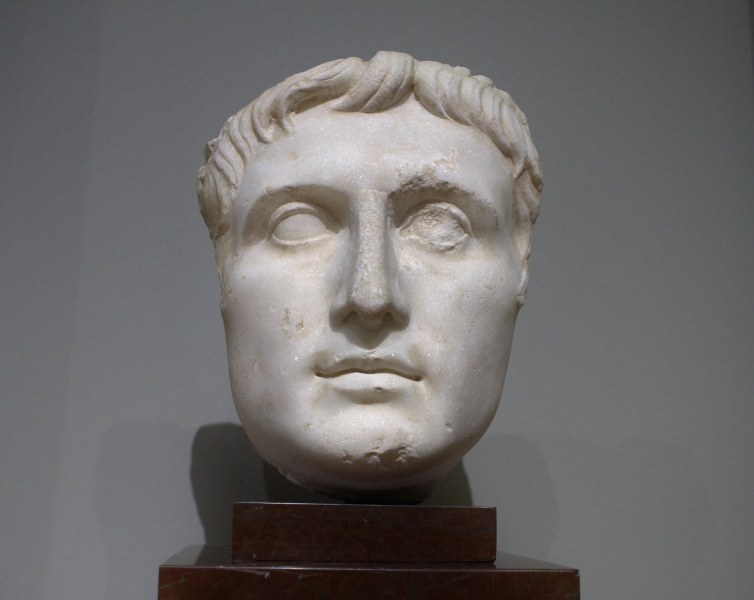
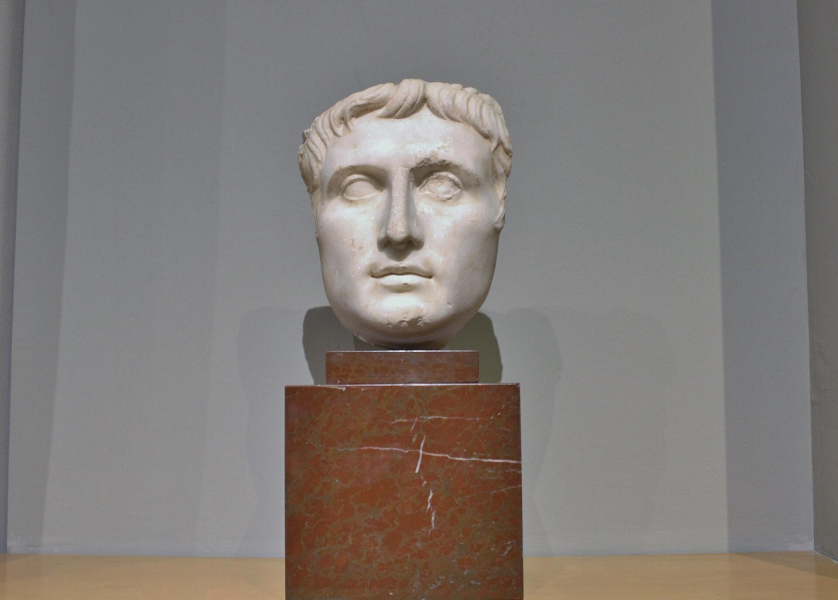
This portrait - one of the few preserved in Spain - comes from Tarragona, capital of Hispania Citerior during the Roman era, and was probably made in Rome in the first third of the 1st century AD, during the reign of Tiberius, the successor of Augustus. It is made of white marble and corresponds to the type of portrait known as Prima Porta, a name that comes from the place where one of the first specimens was found.
The emperor is shown with a relaxed gesture; the large eyes direct the gaze to the right, the mouth is well-defined, and the hair, smooth and with well-defined fringes, opens from the center to the temples.
These types of portraits became such lasting images of imperial power that some of Napoleon's features can be seen in official portraits of Napoleon.