
Reliefs from the life of the Virgin
Reliefs from the life of the Virgin
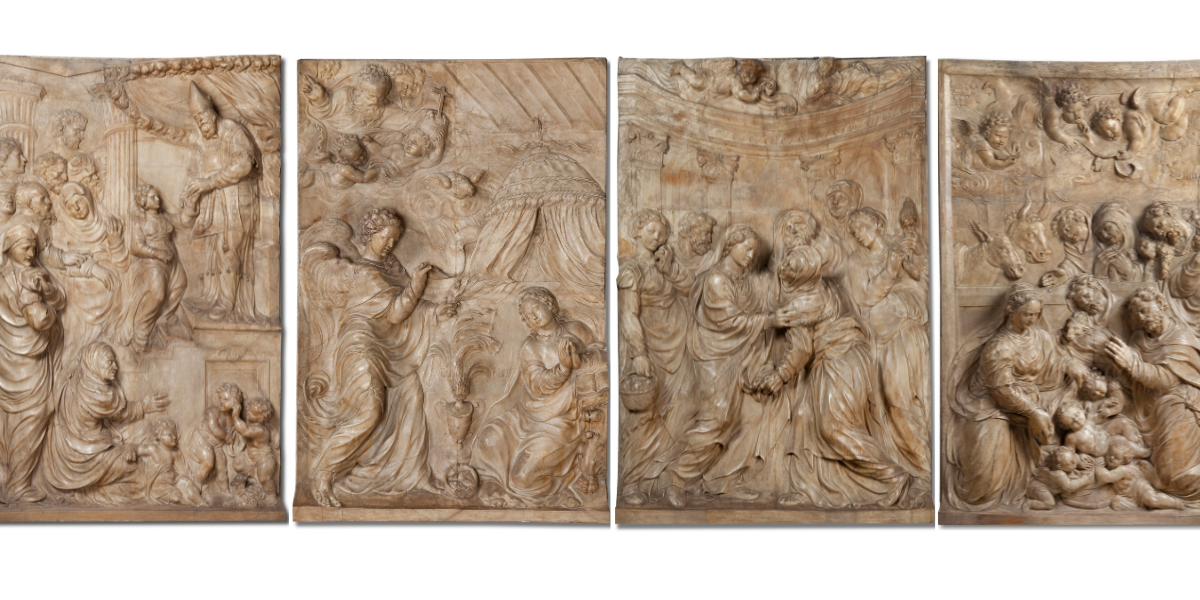
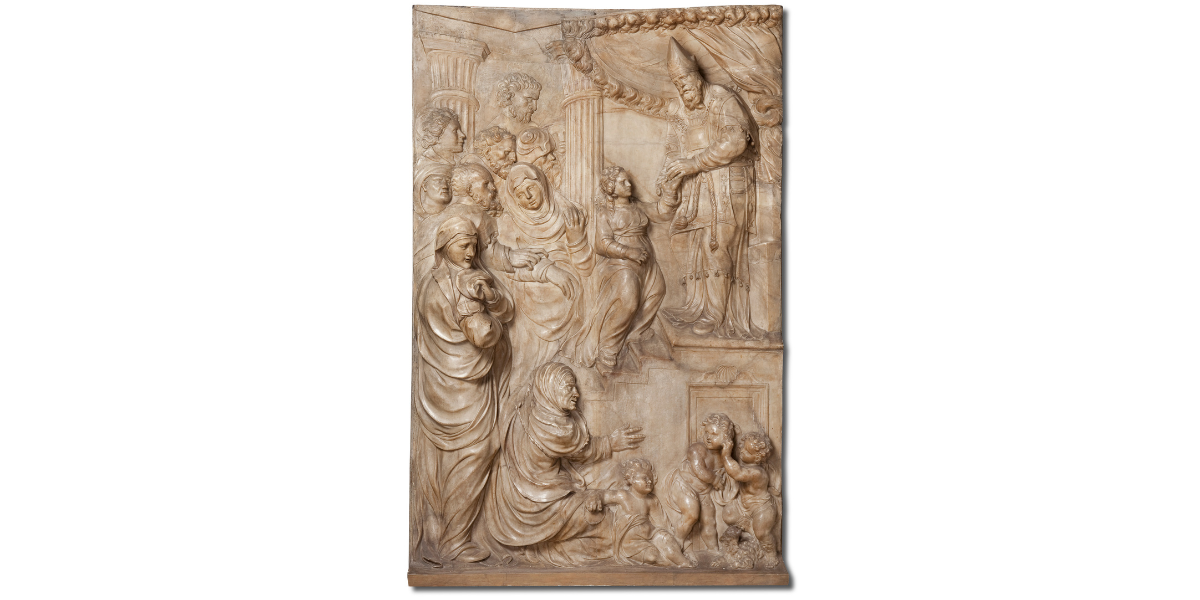
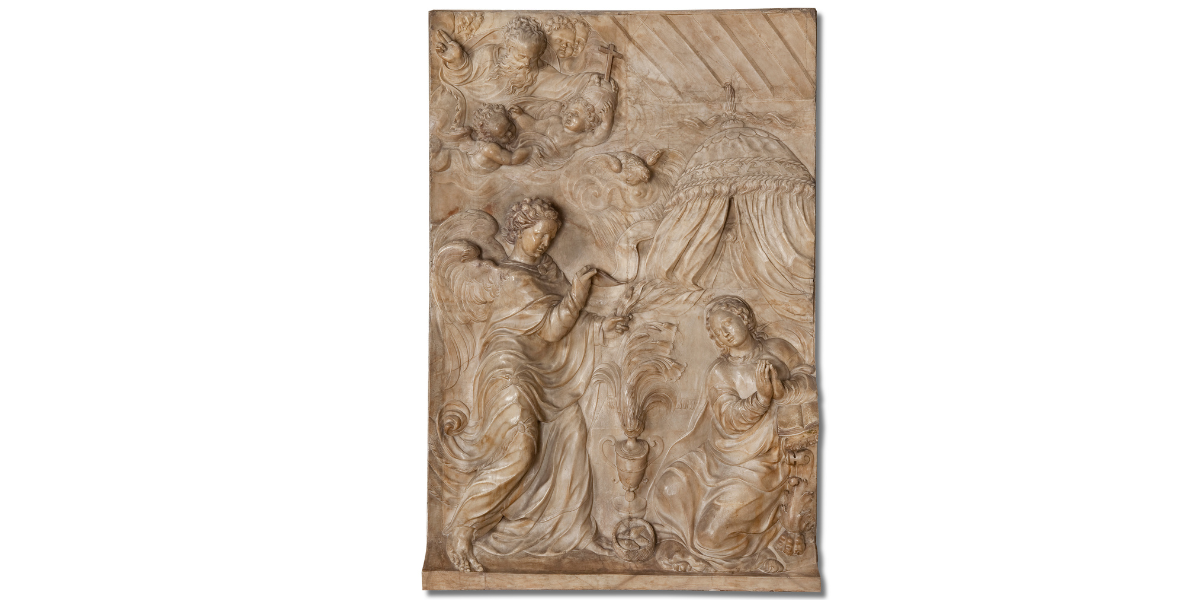
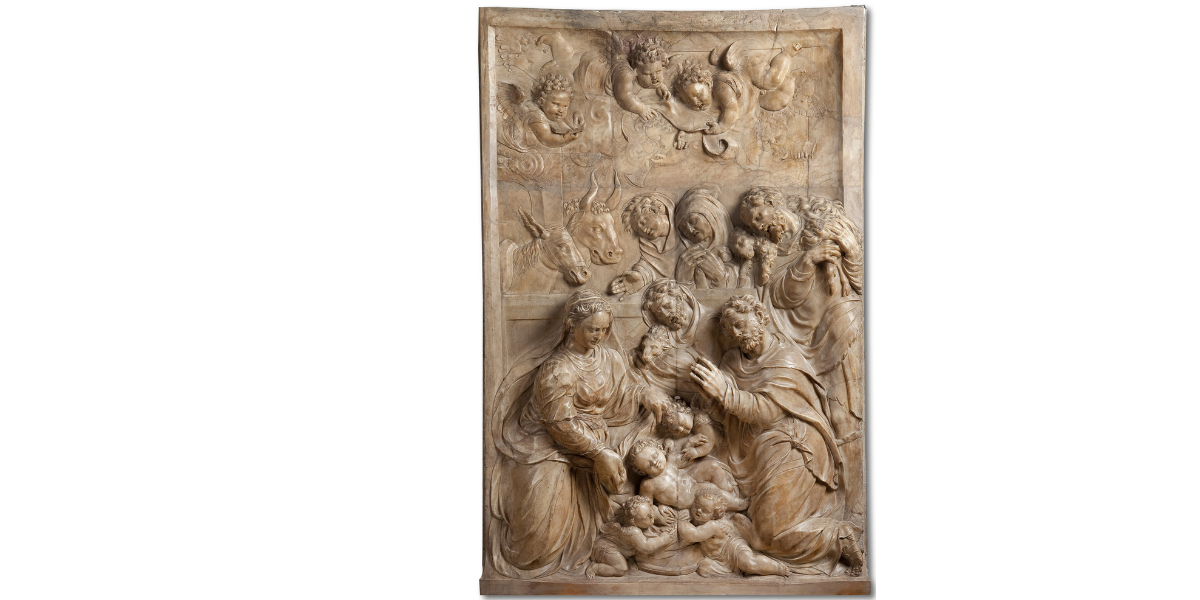
The four reliefs that we see here come from the Major Altarpiece of the Cistercian monastery of La Espina, in Valladolid, and were made by the artist Manuel Álvarez between 1570 and 1577. They can be considered one of his masterpieces and an exceptional set within the Spanish Renaissance.
The scenes represented correspond to the life of the Virgin, and are in chronological order: la Presentation of Mary in the temple , the Statement , the Visitation and the Adoration of the shepherds . The passages represented here have been taken from the Gospel of Luke. It is he who narrates the aspects of Maria's life more carefully.
These reliefs, carved in alabaster, present a gradation in depth: from the most protruding to the almost flat, and this, together with the architectural backgrounds, contributes to creating the feeling of space. The careful treatment of clothes and faces with beards and curly hair stands out. The whole set has an Italianate air, influenced by Florentine-Roman mannerism.
The altarpiece, the original shape and dimensions of which we do not know, was dismantled shortly after the French withdrawal took place, probably due to the damage suffered during the War of Independence. The pieces scattered. Some are preserved in other churches near the monastery. These four reliefs were traded and were found by Marès in the antiques market in Paris, and acquired in 1958 with the collaboration of Barcelona City Council. Obviously, with this act the museum contributed to the recovery of works of Hispanic heritage.